I’ve always had a passion for gardening.
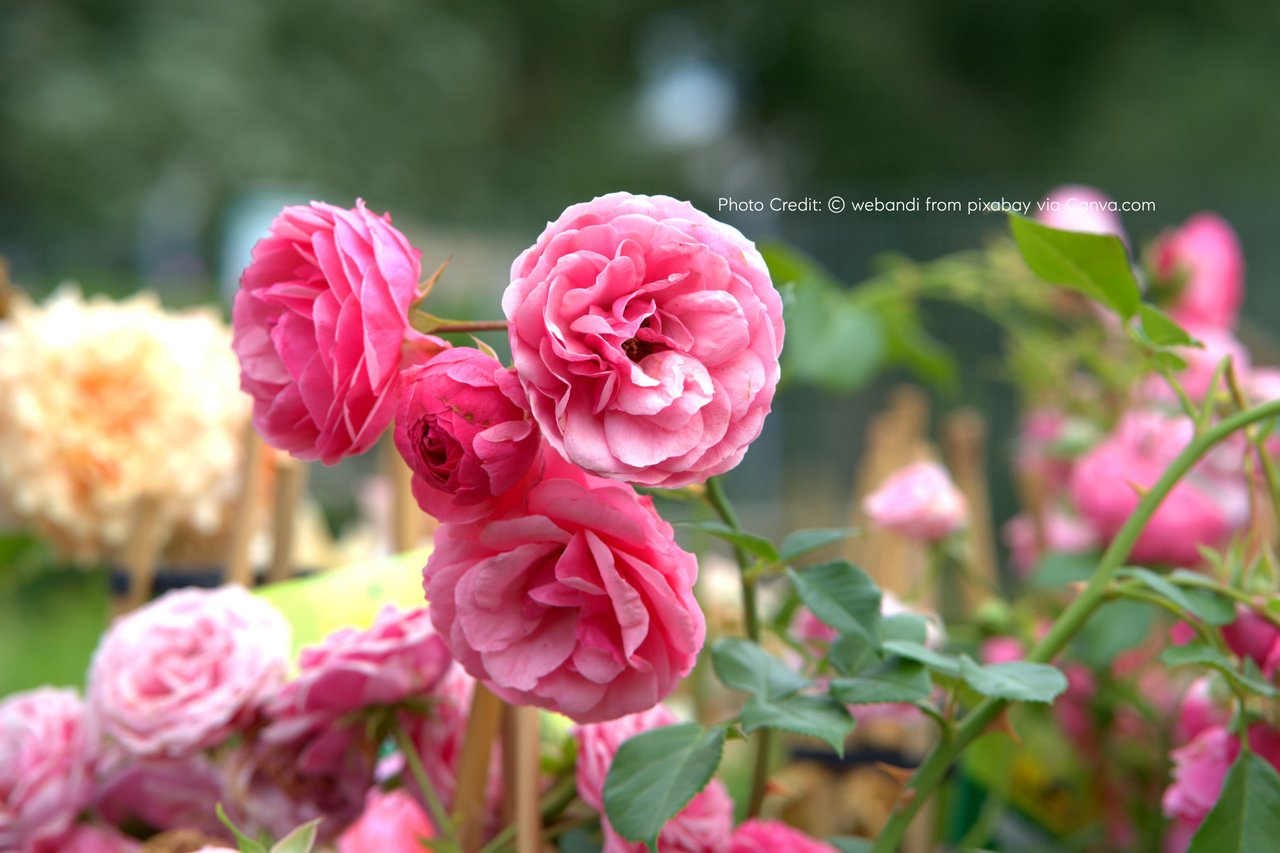
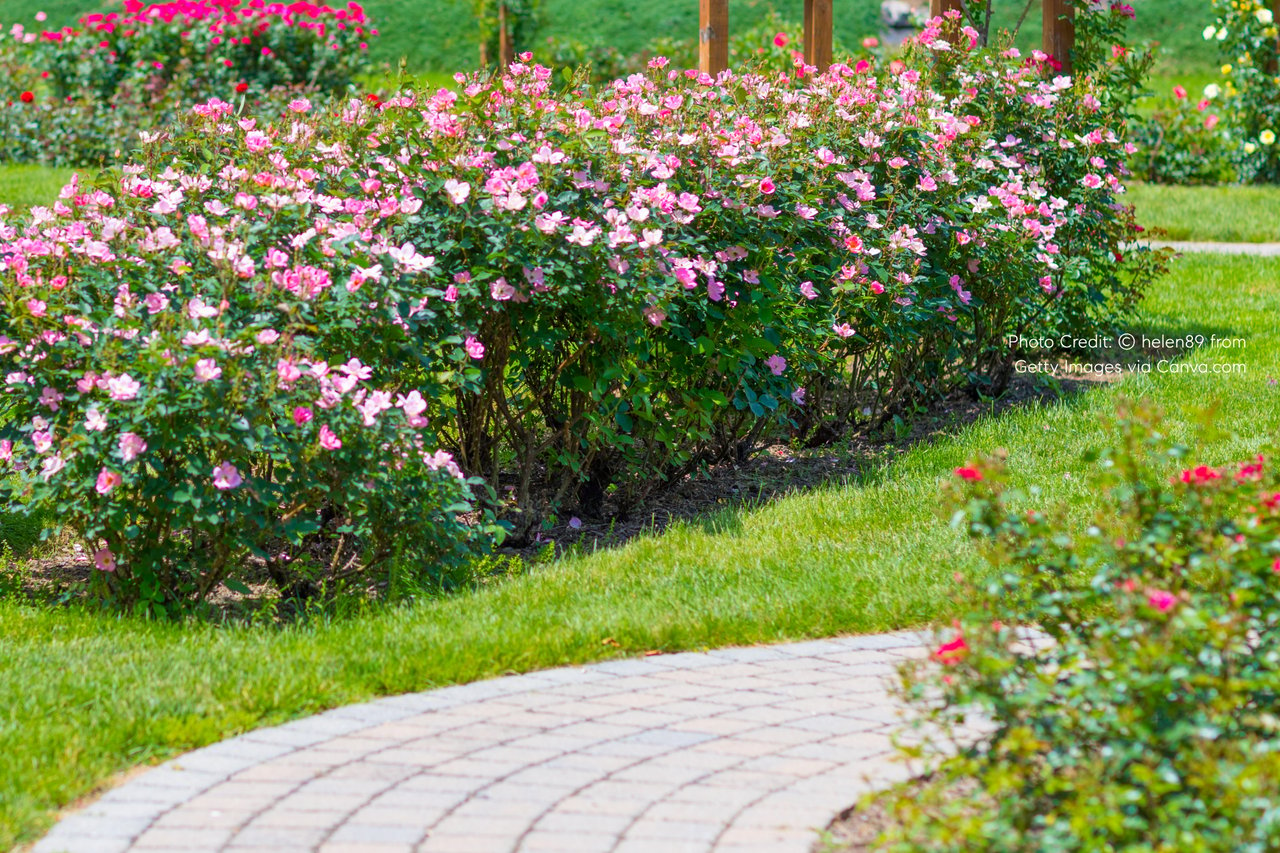
But about twelve years ago, when we purchased our property in the Arcadia/Paradise Valley area, that passion had room to grow. What started as a love of plants quickly became a hands-on education in what thrives here, what struggles, and what takes years to create. Over time, I’ve planted hundreds of rose bushes and citrus trees, spent countless mornings pruning and fertilizing, and created what my family jokingly calls my own version of a gardening Disneyland.
Some people relax on a golf course. I relax in a garden.
And after nearly three decades selling real estate in Arcadia, Paradise Valley, and the Camelback Corridor, I can tell you something most real estate articles won’t: the landscape outside a home is not a backdrop. In Arizona, it is part of the home.
What surprises buyers most about living here?
Most people arrive expecting sunshine, mountain views, and a pool they can actually use for much of the year.
What they don’t expect is how attached they become to the landscape.
A few months after moving in, I’ll often get a text from a client. Sometimes it’s a photo of citrus hanging heavy from a tree in their backyard. Sometimes it’s a question about the flood irrigation running down their street for the first time. Sometimes it’s simply a picture of Camelback Mountain glowing at sunset beyond their patio.
Something shifts when people start living here.
They realize that the outdoor spaces aren’t separate from the home—they’re part of everyday life. The garden, the lawn, the mountain view, the shade trees, the courtyard. These aren’t just features on a listing sheet. They’re part of what makes a property feel special.
Why Arcadia’s landscape is unlike anywhere else in Arizona
One of the things that makes Arcadia so unique is that it doesn’t feel like what many people expect Arizona to feel like.
Long before Arcadia became one of the Valley’s most sought-after neighborhoods, it was citrus country. Orange groves stretched across the landscape, nourished by flood irrigation and rich agricultural soil. While much has changed, traces of that history remain everywhere.
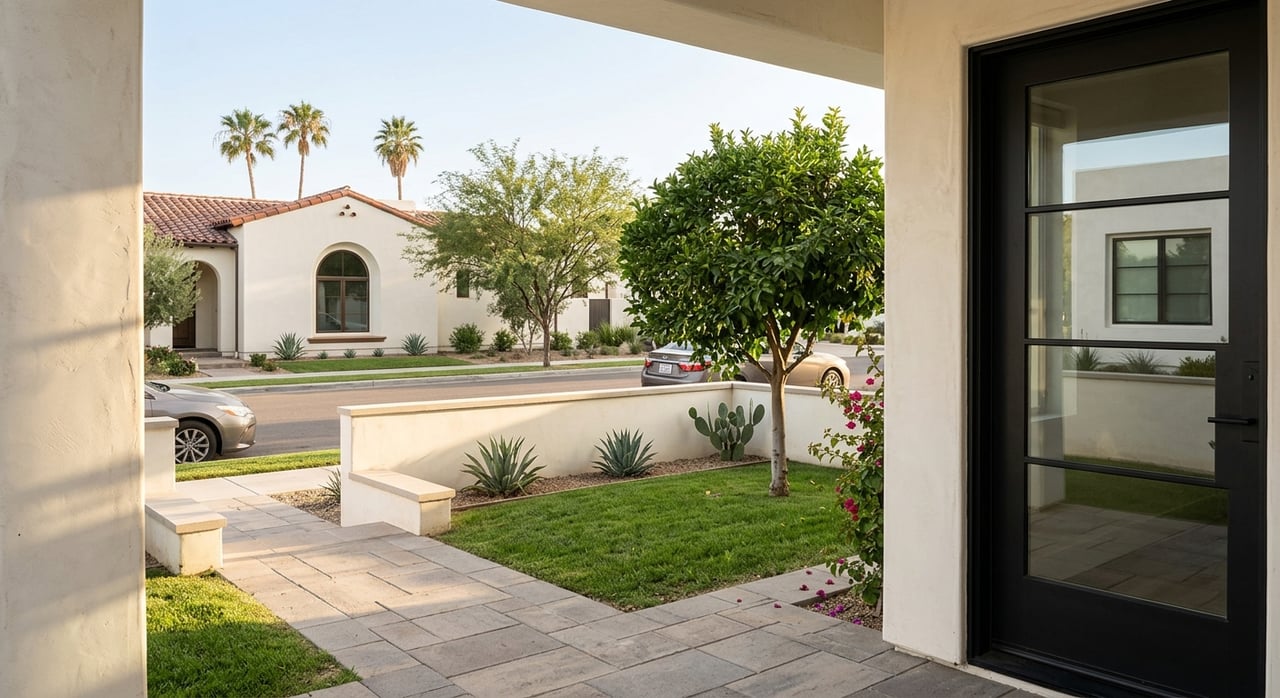
The mature citrus trees. The expansive green lawns. The towering palms, eucalyptus trees, olive trees, and flowering landscapes that create a canopy rarely found elsewhere in the Valley.
It’s one of the reasons so many buyers describe Arcadia as feeling surprisingly East Coast. There’s a softness to it. A sense of established beauty that can’t be replicated overnight.
You can renovate a kitchen in a few months. You can’t recreate a landscape that has been growing for decades.
Paradise Valley tells a different story
Paradise Valley’s beauty comes from a different place.
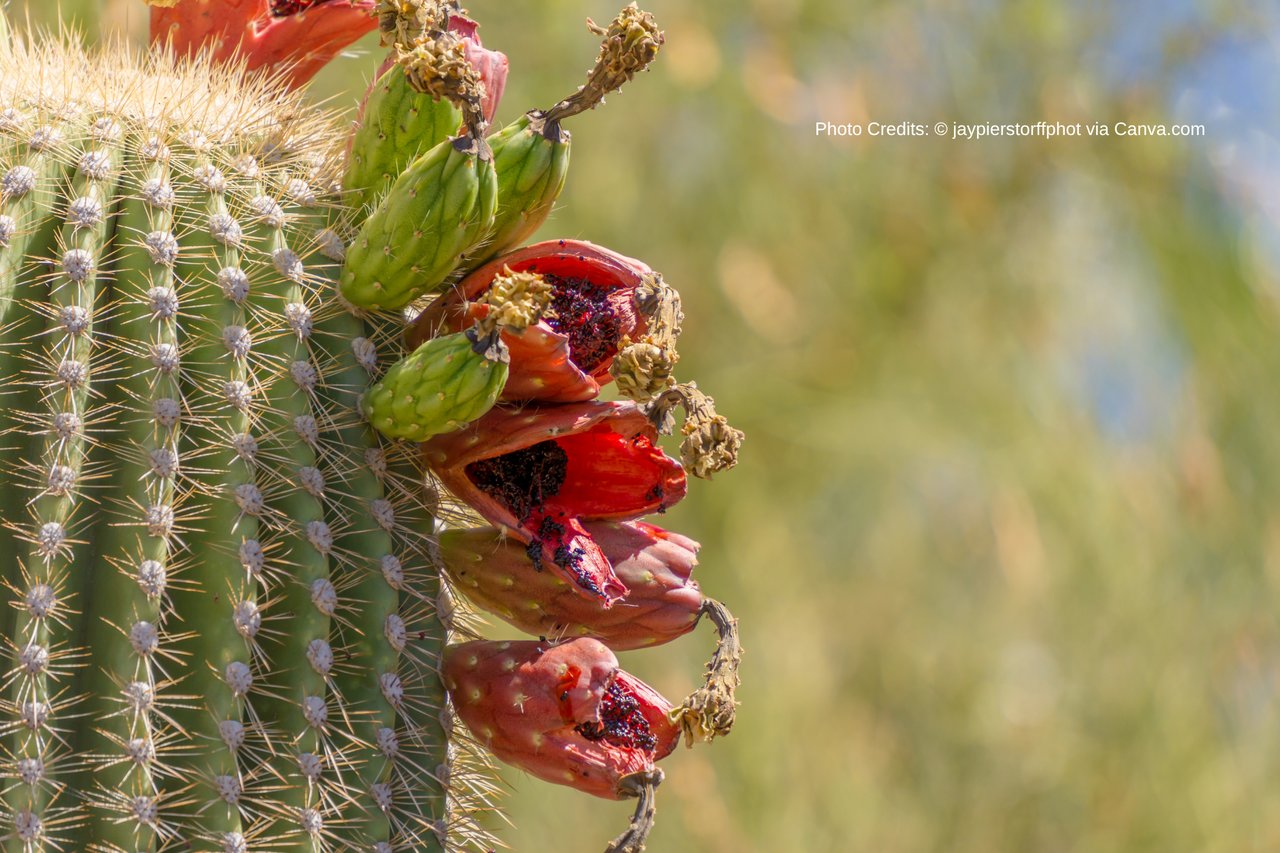
Here, the landscape is more closely tied to the Sonoran Desert itself. Saguaros stand against the backdrop of Camelback and Mummy Mountain. Palo verdes burst into yellow each spring. Native desert vegetation blends into estate properties in a way that feels both dramatic and timeless.
The best Paradise Valley homes work with the land rather than against it. They embrace the mountain views, preserve mature desert specimens, and create outdoor spaces that feel connected to their surroundings.
It’s a different expression of Arizona living, but every bit as beautiful.
Why mature landscaping matters
Over the years, I’ve watched buyers become increasingly aware of something that isn’t always obvious at first glance: mature landscaping is incredibly valuable.
Not because it’s expensive to install, although it often is.
Because it takes time.
Whether it’s an established citrus grove in Arcadia, a canopy of mature shade trees, a rose garden that has been lovingly maintained for years, or a desert landscape in Paradise Valley that feels completely at home beneath the mountains, these are things that cannot be rushed.
The best properties don’t feel newly created.
They feel rooted.
And buyers recognize that immediately, even if they can’t always explain why.
Outdoor living is part of the Arizona lifestyle
One of the biggest misconceptions about Arizona is that people spend all their time indoors escaping the heat.
The reality is quite different.
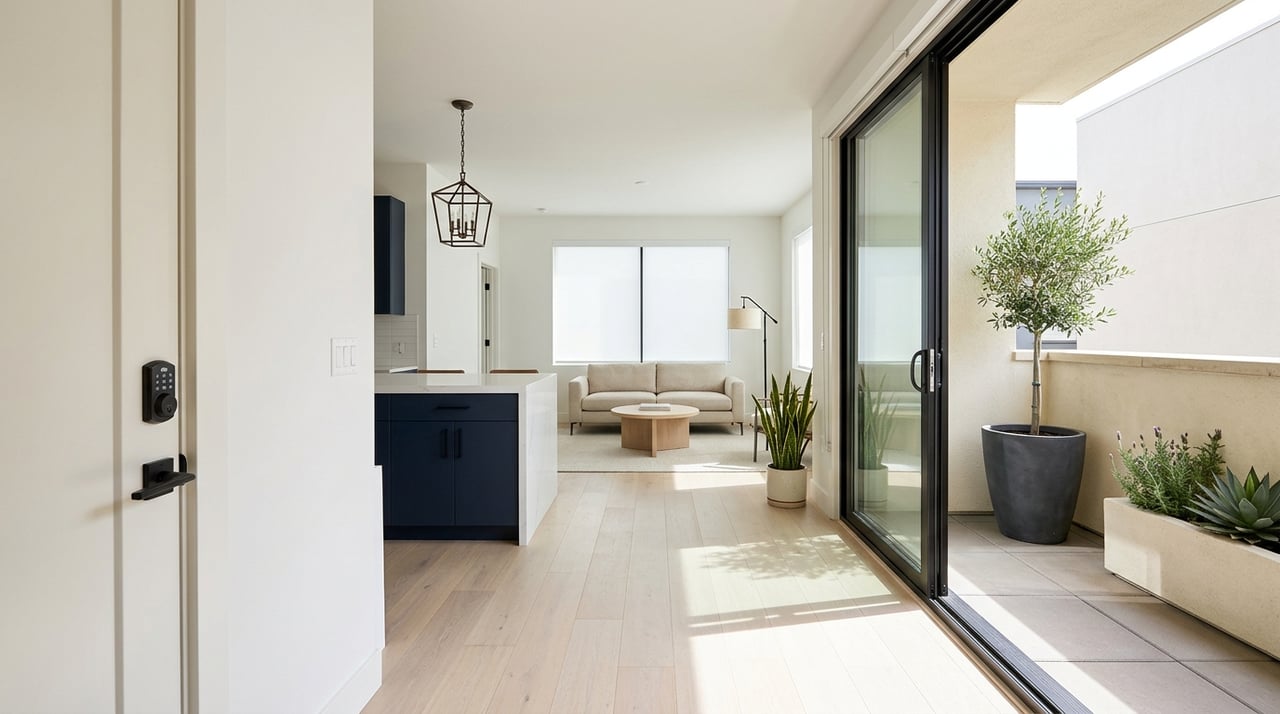
For much of the year, life happens outside. Morning coffee on the patio. Dinner under the ramada. Conversations around a fire pit. Children playing on the lawn. Friends gathering beside the pool.
The most memorable homes are often the ones where the transition between indoors and outdoors feels effortless.
That’s true whether it’s a lush Arcadia backyard surrounded by citrus and roses or a Paradise Valley patio overlooking saguaros and mountain views.
The landscape isn’t decoration. It’s living space.
What this means if you’re relocating
I’ve helped a lot of people move to Arizona over the years.
The ones who fall in love with it most quickly are usually the ones who embrace the landscape around them.
They learn the rhythms of flood irrigation. They discover the joy of picking citrus from their own backyard. They begin noticing how the light changes on Camelback Mountain throughout the day. They find themselves spending more time outdoors than they ever expected.
Eventually, what once felt unfamiliar becomes part of daily life.
And that’s when a house starts feeling like home.
Thinking about a move to Arcadia, Paradise Valley, or the Camelback Corridor? I’d love to show you what makes these neighborhoods so special.
— Heather MacLean