Thinking about buying in the Camelback Corridor and wondering what a home inspection really covers here? In Phoenix, the sun, heat, and monsoons shape how homes age, so your inspection needs a local lens. You want clarity on roofs, HVAC, stucco, pools, and irrigation, plus insight on how findings affect your timeline and negotiation. This guide gives you a practical roadmap tailored to Camelback East Village so you can move forward with confidence. Let’s dive in.
Why Camelback inspections are unique
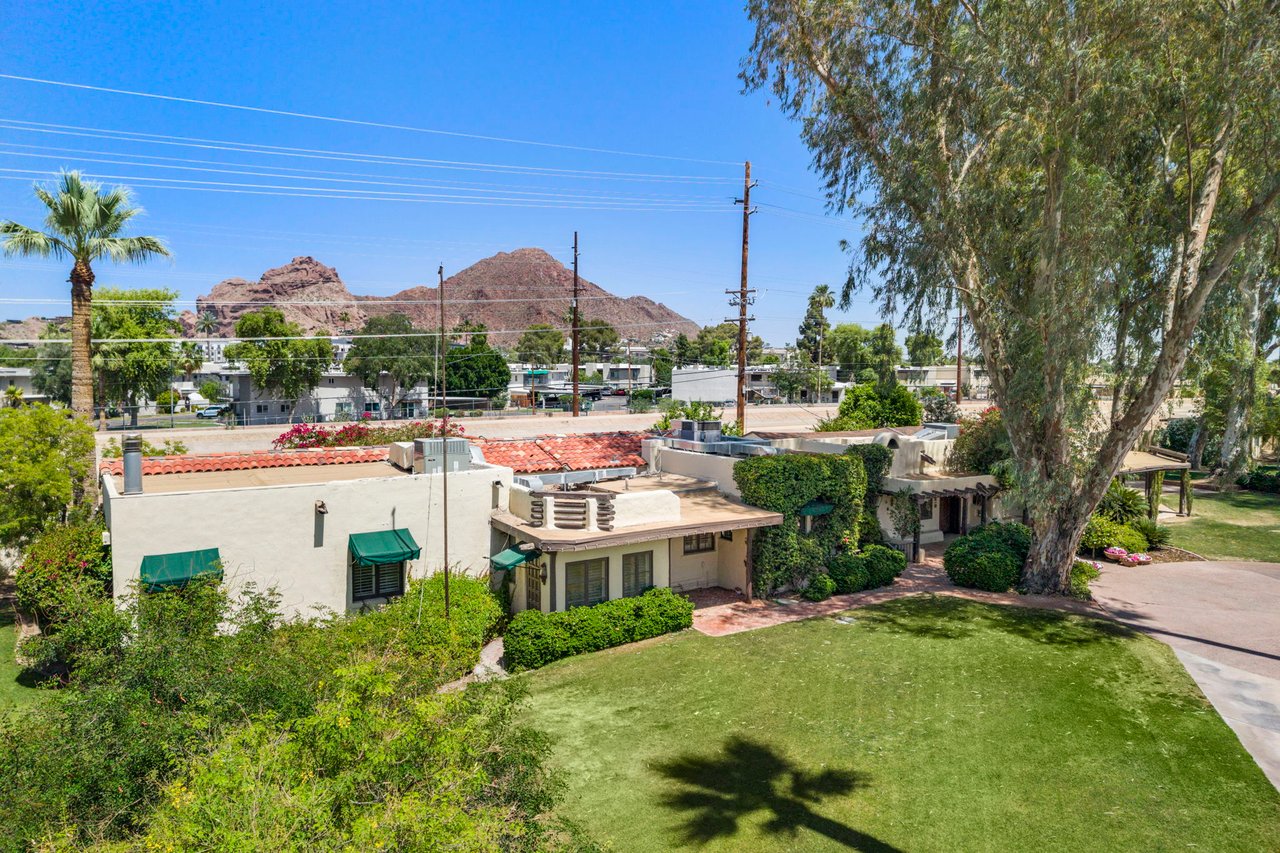
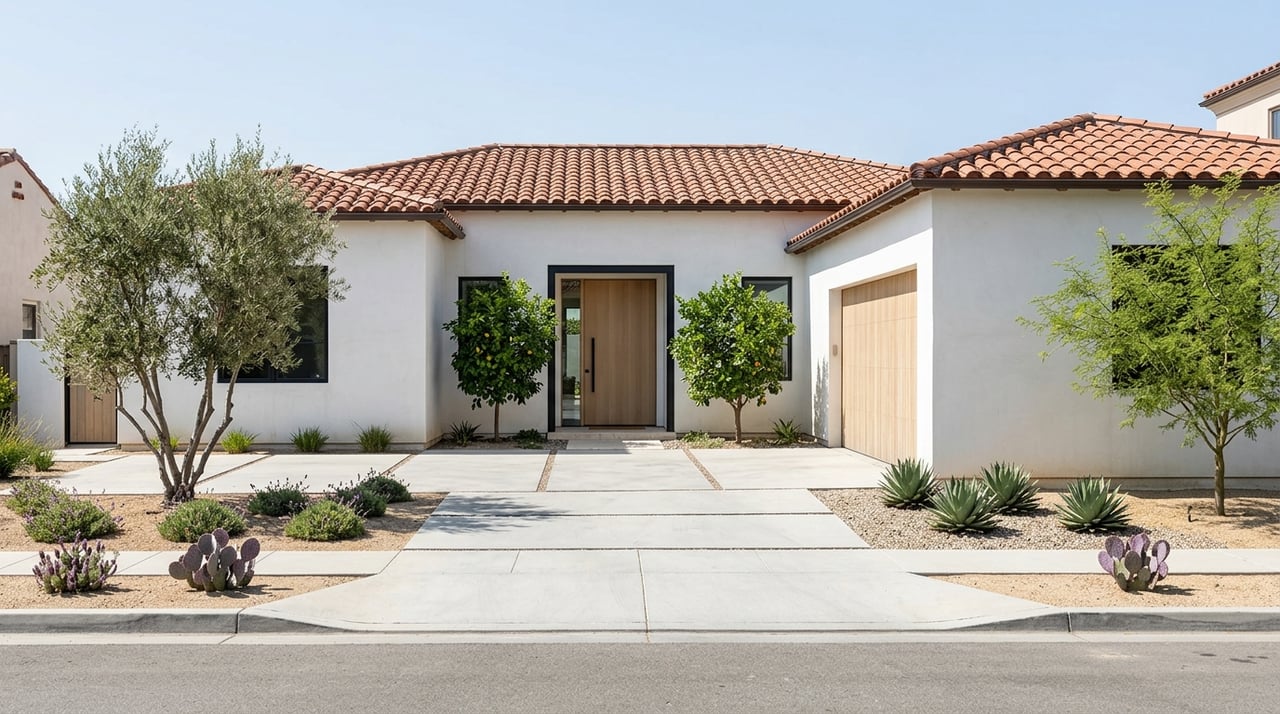
Homes in the Camelback Corridor often feature stucco exteriors, slab foundations, tile roofs, and low-slope or flat roof sections. Many properties also include in-ground pools and landscape irrigation. Phoenix’s hot, arid climate and intense UV speed up wear on roofing underlayment, pool finishes, and plastic irrigation parts. Monsoon storms can also reveal drainage and flat roof issues.
Because older homes sometimes have unpermitted improvements, your inspector’s observations can lead to questions about permits and code compliance. If you need to verify permits or plan repair approvals, check the City of Phoenix Planning and Development resources for permits and inspections through the City of Phoenix Building Safety pages. You can also verify contractor licensing before authorizing repairs through the Arizona Registrar of Contractors.
Roofs: tile and underlayment
What inspectors review
- Tile condition, including broken or displaced pieces, ridge caps, and valley flashings.
- Penetrations and flashings at chimneys, parapets, and AC or plumbing stacks.
- Attic access for visible underlayment, signs of moisture, and ventilation.
- Slopes, drainage, and any evidence of past leaks inside the home.
Common local issues
- Underlayment deterioration from heat and UV even when tiles look fine.
- Cracked or missing valley metal and failed sealants at parapet edges.
- Tiles displaced by foot traffic or storm activity.
What to request
- Roof repair or replacement receipts, any roof certification, and warranty details.
- Permits for recent roof work when applicable.
Buyer takeaways
Tile often outlasts the underlayment beneath it. Decisions typically hinge on underlayment and flashing condition. Insurers and lenders may ask for roof certifications or replacement if the roof is near end of life. If the report flags concerns, get a roofing contractor experienced with tile systems to provide estimates so you can negotiate credits or repairs.
HVAC: age, capacity, and operation
What inspectors review
- System age from the data plate, thermostat operation, and basic cooling and heating functions.
- Condition of attic evaporator coils, ductwork, and condensate lines and pans.
- Service records and refrigerant type.
Common local issues
- High usage and extreme heat shorten lifespan. Many older systems are at or near end of life.
- R-22 systems are costlier to service and parts are restricted. For context, see the EPA overview of the R-22 phaseout.
- Clogged condensate lines can cause attic moisture issues.
What to request
- Service records, permits for replacements, efficiency ratings, and any warranty details.
Buyer takeaways
Typical central AC lifespan often falls around 12 to 20 years depending on maintenance and climate. In Phoenix, replacement can be a significant cost and a common negotiation point. If the inspector notes age or inefficiency, get an HVAC contractor’s evaluation and written estimate so you can request credits, price adjustments, or seller repairs.
Stucco, parapets, and flat roofs
What inspectors review
- Stucco cracks, sealants around windows and doors, and clearances at the weep screed.
- Proper flashings where stucco meets roof edges or penetrations.
- For low-slope or flat roofs, membrane condition, seams, and ponding.
Common local issues
- Hairline cracks are often cosmetic, while wider or patterned cracks may suggest movement or moisture.
- Stucco too close to grade or planters against walls can trap moisture.
- Flat roof ponding and membrane wear often show during monsoon rains.
Buyer takeaways
Small cosmetic stucco fixes are usually minor. Evidence of active water intrusion or widespread failure calls for specialist evaluation. If major repairs are needed, plan for extra time to obtain estimates and confirm permits with the City of Phoenix.
Pools and equipment
What inspectors review
- Pool shell and plaster condition, tile lines, expansion joints, and visible leaks.
- Pumps, filters, heaters, and visible piping for function and leaks.
- Electrical bonding and grounding at equipment and basic safety barriers.
Common local issues
- UV and heat wear plaster over time, leading to flaking or erosion.
- Pumps and seals leak, sometimes intermittently.
- Salt systems are popular but can increase corrosion without regular service.
Safety and compliance
Pool barrier rules and permits vary. Confirm requirements with local authorities and your HOA if applicable. For health and safety guidance, review Maricopa County’s pool resources.
Buyer takeaways
Pool fixes can be costly and often require specialty contractors. If the inspection identifies leaks, worn plaster, or bonding issues, request contractor evaluations and negotiate credits or repairs. Some lenders or insurers set additional requirements for homes with pools.
Irrigation systems
What inspectors review
- Controller operation, zone function, valve boxes, and visible leaks.
- Drip line condition, sprinkler head coverage, and presence of a backflow device.
Common local issues
- Sun-degraded drip tubing, broken heads, and leaky valves increase water use.
- Missing or untested backflow devices can pose potable water risks and may not meet local standards.
Buyer takeaways
Irrigation repairs are usually lower cost than roof or HVAC work, but they still add up. Request manuals, service records, and any backflow test reports. If upgrades are needed, you can ask for a credit that lets you optimize the system after closing.
Other findings you may see
- Electrical: panel condition, service size, and signs of do-it-yourself alterations. Pool equipment bonding is a frequent callout.
- Plumbing: water heater age, venting, and materials. Older supply lines can need updates.
- Termites: Arizona has active species, so a termite inspection is common.
- Drainage: ponding near foundations or missing downspouts.
- Insulation and ventilation: attic heat loads can strain HVAC and roof assemblies.
If you want to understand the standards and scope of a general inspection, you can review the InterNACHI Standards of Practice. For questions about Arizona contracts and timelines, consult your agent and the Arizona Association of REALTORS.
How inspection findings affect negotiations
Typical workflow
You schedule the inspection during the contract’s inspection period, then review the report with your agent. You can request repairs, ask for credits, obtain specialist estimates, or accept the home as-is. If you cannot reach agreement, you may cancel per the contract terms.
Common outcomes
- Cosmetic items often lead to small credits or are accepted as-is.
- Safety or health hazards are usually repaired before closing.
- Major systems at or near end of life, like HVAC or roof underlayment, often lead to credits, price reductions, or replacements.
- Pool leaks or stucco water intrusion may trigger specialist evaluations and larger credits.
- Unpermitted work can require disclosure, retroactive permits, or removal, which can delay closing.
Timeline impacts
Investigating major items, coordinating estimates, and pulling permits can add days or weeks to escrow. Lenders or insurers might also require certain conditions to be resolved before funding. You can reduce delays by obtaining multiple estimates quickly and, when appropriate, using escrow holdbacks or seller-paid credits.
Your inspection-day checklist
- Ask for maintenance records, permits, and warranty paperwork for roof, HVAC, pool, and irrigation.
- Hire a licensed inspector who knows Phoenix homes. Consider specialists if the initial report flags concerns.
- Confirm refrigerant type, attic condensate drainage, and visible underlayment or attic moisture.
- Check for proper stucco flashings and clearances.
- Verify pool equipment operation and bonding, plus safety barriers per local rules.
- Inspect irrigation zones and look for a backflow device.
- If major issues surface, get written estimates from licensed contractors. Verify licenses with the Arizona Registrar of Contractors.
- Ask your agent about contract timelines and contingency options using Arizona Association of REALTORS forms.
- If permits are needed, review process and timing with the City of Phoenix Planning and Development.
Work with a local advocate
A focused, local approach makes all the difference in the Camelback Corridor. You want someone who knows which roofers understand tile underlayment, which HVAC contractors build for Phoenix loads, and how to keep negotiations moving when pools or stucco issues come up. With deep roots in Arcadia, the Biltmore area, and Paradise Valley, our team guides you through inspection findings and coordinates trusted specialists so you can close with confidence.
Ready to talk through your plan and timeline? Connect with Heather MacLean to schedule a private consultation.
FAQs
What does a Camelback Corridor home inspection include?
- A general inspection typically reviews roof, HVAC, plumbing, electrical, structure, exterior, pool systems if present, and site drainage, with referrals to specialists as needed.
How long is the Arizona inspection period for buyers?
- Contract timelines vary by offer, but you generally schedule inspections soon after acceptance and use the inspection period to request repairs or credits per Arizona REALTORS forms.
How do tile roof underlayment issues affect my purchase?
- If underlayment is near end of life, you may pursue credits, price adjustments, or seller repairs, and insurers or lenders might ask for a certification or replacement.
Are R-22 air conditioners a problem for buyers in Phoenix?
- R-22 systems are older and harder to service due to the phaseout, so replacement is often considered and can be a point of negotiation.
Who enforces pool safety rules in Phoenix and Maricopa County?
- Requirements can involve the City of Phoenix and Maricopa County; review city permit guidance and county pool resources, and confirm HOA rules if applicable.
Do I need permits for repairs after inspection?
- Some repairs require permits through the City of Phoenix; always verify with the city and hire licensed contractors to avoid delays at closing.