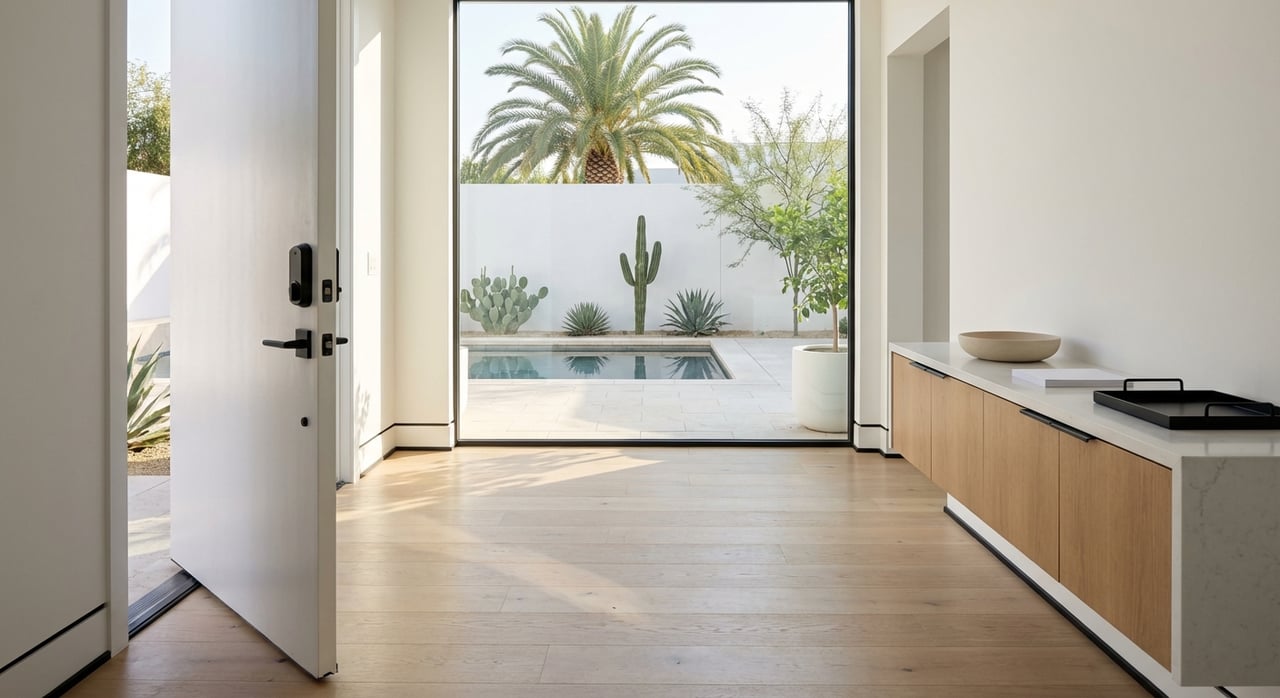
Dreaming of blue-sky winters under Camelback Mountain and a lock-and-leave retreat to match? If you are weighing a second home in Paradise Valley, you want privacy, generous lots, and a true resort feel without the guesswork. This guide gives you a clear, practical path through costs, rules, rental options, and seasonality so you can buy with confidence. Let’s dive in.
Why choose Paradise Valley
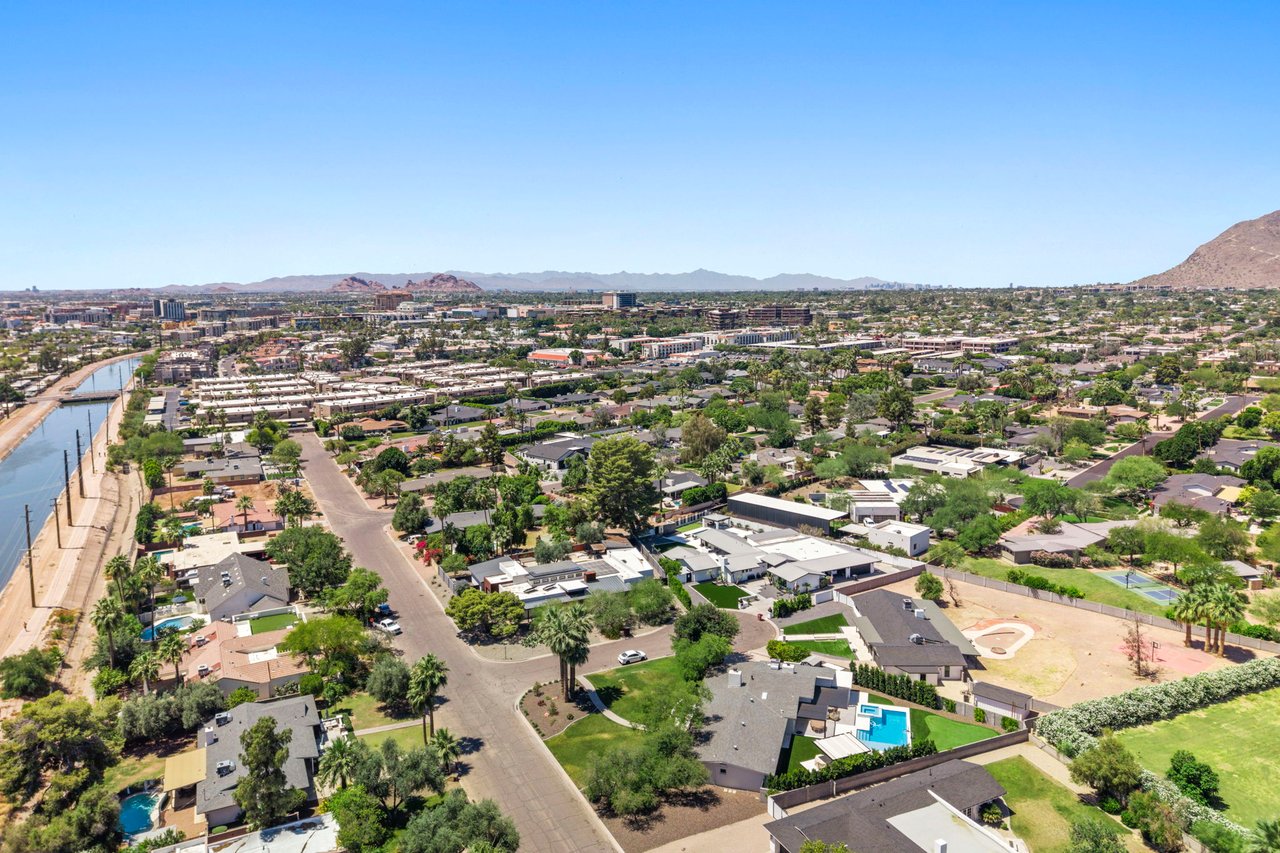
Paradise Valley is a low-density, ultra-luxury enclave in the Phoenix metro. Homes sit on larger lots with a focus on privacy and resort-style living. Inventory is tight and most properties are custom estates.
Prices are notably higher than nearby markets. Recent snapshots place the median sale price in the multi-million range in Paradise Valley, versus the mid-to-upper hundreds of thousands in Scottsdale as of early 2026. If you value exclusivity and a quiet, estate-like setting, PV fits well. If you want a wider range of price points and condo options, Scottsdale offers more variety.
PV vs. Scottsdale at a glance
- Paradise Valley: larger lots, single-family estates, limited inventory, high absolute carrying costs, quieter streets, and a private feel.
- Scottsdale: broader mix of condos, townhomes, and single-family homes, more short-term rental infrastructure in many neighborhoods, and more supply for varied budgets.
What it really costs yearly
Your carrying costs depend on the parcel, age of systems, pool and landscape scope, and whether you rent when you are away. Use the categories below to build a realistic budget.
Property taxes
Maricopa County sets taxable values and applies combined local rates. The county’s effective rate is commonly lower than many U.S. metros. For context, see this overview of Maricopa County effective property tax rates.
Illustrative example: On a $4,785,000 Paradise Valley home, using a 0.59 percent effective rate, the annual tax estimate is about $28,200. Your actual bill will vary by assessment and districts, so confirm parcel specifics before you offer.
If you plan to rent, Maricopa County requires residential rental registration. Non-Arizona owners may need an in-state statutory agent. Review Maricopa County rental registration requirements early in due diligence.
Insurance for second homes
Expect higher premiums than a primary residence because vacant or seasonal homes carry more risk. Many owners add endorsements for vacancy, theft, or pool liability. For a primer on why rates trend higher, review how vacation-home insurance typically costs more.
HOA fees and community types
Paradise Valley includes both non-HOA custom estates and gated or guarded enclaves. Dues vary from none to meaningful monthly assessments in smaller luxury communities. Always read the CC&Rs for rental limits, special assessments, and gate staffing, and confirm fee schedules before you write an offer.
Utilities, water, pools, and landscape
Water service in PV can come from different providers, and irrigation demand can be significant on larger lots. Budget for pool care, heating if you plan winter swims, and landscape upkeep.
- Pools: Basic service packages are often cited around $80 to $200 per month, with annual totals commonly $1,000 to $5,000 depending on size, usage, and repairs. See typical ranges in this look at pool maintenance costs.
- Landscape: Professional desert maintenance can range from the low hundreds per month to higher for full-service estate care. Get a feel for Phoenix-area landscape maintenance ranges to set expectations.
Maintenance reserves
High-end second homes benefit from a healthy reserve. A common rule of thumb is 1 to 2 percent of home value per year, adjusted for age, systems, and how often you occupy the property. Prioritize HVAC, roof, pool equipment, and irrigation.
Renting your PV home
Many second-home buyers offset carrying costs with rentals when they are away. In PV, rental feasibility comes down to three layers of rules: state, town, and HOA.
Town, state, and HOA rules
- Town policy: Arizona state law limits city bans on short-term rentals, but towns can regulate operations. Paradise Valley outlines local steps and expectations in its short-term rental guidance. Operational compliance and neighbor standards matter here.
- State taxes: Effective January 1, 2025, long-term residential rentals of 30 days or more are no longer subject to a city residential-rental TPT. Transient lodging under 30 days is still taxed as lodging. Confirm your filing path with the state’s updated residential rental tax rules effective Jan 1, 2025.
- HOA authority: Even where towns allow STRs, HOA CC&Rs can restrict or prohibit them. Arizona courts have enforced CC&Rs against vacation rentals in PV, as illustrated by an Arizona court case upholding HOA CC&Rs against STRs. Always verify the HOA packet and any amendments.
Taxes and registration steps
- County: File your residential rental registration with the county. Start here: Maricopa County rental registration.
- State: For short-term use, hold the correct TPT license and file under the transient lodging classification. See state guidance for license and filing details.
Management options and fees
If you are out of town often, a local manager or concierge agent protects your time and your asset. Typical models include:
- Short-term rental management: Full-service teams handle marketing, guest communication, dynamic pricing, cleaning, and 24/7 support. Services like these are outlined in this overview of what full-service vacation rental management includes. Full-service commissions often run about 20 to 35 percent of gross revenue depending on scope.
- Long-term management: Ongoing fees commonly run about 6 to 12 percent of collected rent, with separate leasing or placement fees. See typical ranges for long-term management fees in Arizona.
When comparing managers, ask for sample reports, response coverage for nights and weekends, insurance and damage policies, a transparent fee schedule, and whether they assist with TPT filings.
Seasonality and planning use
Paradise Valley’s prime season runs roughly October through April, with peak demand in winter months and around major events. Short-term and monthly rates are highest in winter. Summer is slower for leisure demand, so plan for lower occupancy or discounted rates from May through September.
If you plan to enjoy the home during peak months and occasionally rent, PV can work well. If frequent short-term cash flow is your primary goal, compare product types and STR-friendly pockets in Scottsdale, and confirm CC&Rs before you model income.
Due diligence checklist
Use this quick list to organize your research for any PV candidate property:
- Market context: Review recent comps, days on market, and inventory trends for similar estates.
- CC&Rs and HOA: Confirm rental minimums, frequency limits, gate staffing, transfer fees, and any special assessments.
- Taxes and licensing: Decide if your plan is long-term or short-term. Confirm filing needs with the state’s rental licensing guidance and register with the county if renting.
- Insurance: Get quotes for a second-home policy that reflects your occupancy, pool, and landscape.
- Operating costs: Verify water provider, pool heating feasibility, irrigation system condition, and typical vendor response times.
- Property management: Interview two to three managers. Request conservative P&L projections that split Oct–Apr and May–Sep.
- Professional advice: Speak with your tax advisor about federal and state implications. Engage a local attorney if CC&R language around rentals is unclear.
Is PV the right fit for you?
Choose Paradise Valley if you value privacy, resort-style living, and a neighborhood of luxury estates, and you are comfortable with higher absolute costs. The town rewards owners who want a refined, low-key base for winter seasons or periodic stays. If maximum rental flexibility and a wider mix of property types are must-haves, expand your search to nearby Scottsdale as a comparison point.
When you are ready to take the next step, schedule a private consult. Our team combines lifetime local knowledge, discreet search and marketing, and coordinated property care to make second-home ownership seamless.
Ready to create your PV plan? Schedule a private consultation with Heather MacLean.
FAQs
What are typical annual costs for a Paradise Valley second home?
- Budget for property taxes, higher second-home insurance, utilities, pool and landscape care, and a maintenance reserve of about 1 to 2 percent of home value, adjusted for age and use.
How are short-term rentals regulated in Paradise Valley?
- State law allows STRs with limits, the town enforces operational rules, and HOAs can restrict them via CC&Rs. Confirm the town’s process and your HOA rules before you buy.
Do I need to register a PV rental with the county?
- Yes. Residential rentals must be registered with Maricopa County, and out-of-state owners often designate a statutory agent in Arizona.
What months are best for renting in Paradise Valley?
- October through April is the strong season, with peak demand in winter. May through September is slower, so expect lower occupancy or discounted rates.
What do property managers typically charge in PV?
- Full-service short-term managers often charge about 20 to 35 percent of gross revenue. Long-term managers commonly charge 6 to 12 percent of collected rent, plus leasing fees.
Can HOA rules override town allowances on STRs?
- Yes. Courts have upheld HOA CC&Rs that restrict vacation rentals. Always review the HOA packet and confirm enforceability before you plan on rental income.