Are you planning a winter move in Paradise Valley and wondering how the snowbird season might change your timing and strategy? You are not alone. When out-of-state residents arrive for warmer weather, the local market shifts in pace, inventory, and buyer behavior. In this guide, you will learn how the season works in Paradise Valley, what it means for tours and pricing, and how to plan your next steps with confidence. Let’s dive in.
Snowbird season in Paradise Valley
Paradise Valley typically sees a strong seasonal cycle. Out-of-state visitors arrive to enjoy the winter sun, and many of them are active home shoppers. Locally, the snowbird window usually runs from November through April, with the busiest in-person activity from December through March.
Paradise Valley is a small, affluent town with a luxury-leaning housing stock. Many properties are second or seasonal residences. Compared with broader Phoenix suburbs, you often see a higher share of cash or investor purchases here. Because the area has fewer listings overall, even a small change in inventory can move the averages.
How PV differs from broader Phoenix
Paradise Valley’s low volume means seasonal swings can feel sharper. A few notable listings or closings can affect days on market and list-to-sale ratios. You also see more discretionary timing among sellers and more lifestyle-driven purchasing among buyers. The result is a market where preparation and timing matter.
How winter visitors shape the market
Seasonal visitation changes who is shopping, when tours happen, and how deals come together. Understanding these patterns helps you plan a stronger offer or a more strategic listing.
Who is buying during season
In winter, more out-of-area buyers are in town. These buyers often have flexible timelines and a higher likelihood of paying cash. Many prefer move-in-ready homes that are easy to manage with features like updated systems, winter-friendly landscaping, and outdoor living spaces.
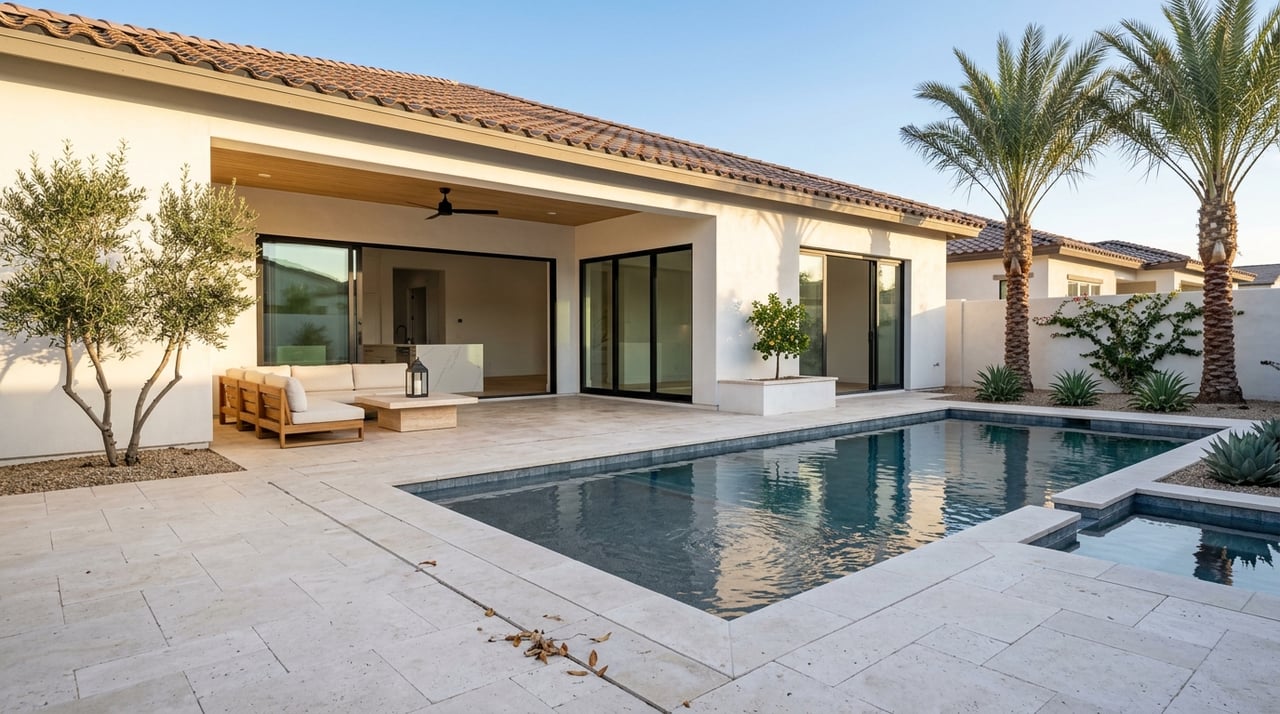
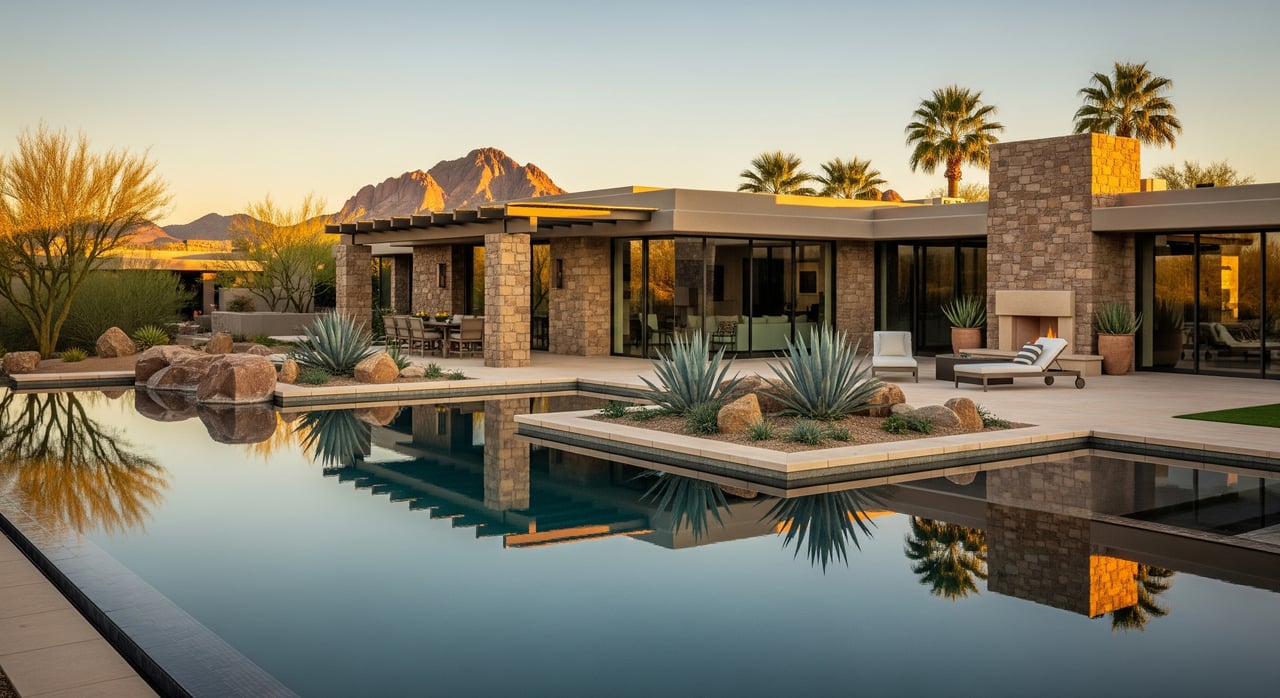
Lifestyle features weigh heavily. Heated pools, covered patios, golf access, and walkable trails are popular with seasonal residents. Buyers also appreciate low-maintenance finishes and smart home systems that make seasonal occupancy simple.
Showing activity and tour windows
Showings cluster in the peak months, especially on weekends and around community or sporting events. Visiting buyers usually have tight itineraries, so tours, inspections, and negotiations can compress into shorter windows than you might see off-season. If you are selling, prepare for concentrated bursts of interest. If you are buying, plan for fast decisions on top properties.
Inventory and pricing pressure
Inventory often rises in early fall as full-time residents list ahead of the season. Once winter visitors arrive, active buyers can quickly absorb well-priced listings. In a luxury, low-sample market like Paradise Valley, this can lead to faster offers for properties that show well and are priced correctly. Off-season, you may see longer marketing times and more room for negotiation.
Financing and transaction logistics
Cash is common in Paradise Valley, but many seasonal buyers also finance. If you plan to finance from out of state, have pre-approval ready before you visit. Title, escrow, and inspections should match your visit window, and pre-inspections or clear property reports can streamline timelines for both sides. Sellers who provide documentation upfront reduce buyer hesitation.
Rentals and occupancy considerations
Seasonal demand also influences rentals. If you plan to lease your home part time or pursue income potential, review local rules before you list or buy. Paradise Valley has zoning and use standards that affect short-term rental eligibility and permitting, and many neighborhoods have HOA covenants that set additional limits. Understanding the framework early can save you time and protect value.
Buyer timing strategies
If you are traveling to shop in person, plan your visit for the months with the most activity and be ready to act when the right home appears.
Plan your visit window
- Aim for December through March to see the most active sellers and in-person options.
- If you are searching off-season, rely on virtual tours, 3D walkthroughs, and immediate MLS alerts to track new listings.
- Ask your agent to pre-screen homes and set a tight tour route before you arrive.
Prep your financing and logistics
- Have proof of funds or a current pre-approval in hand before you tour.
- Book inspection and appraisal slots in advance for your visit window.
- Consider offer terms that fit short timelines, such as accelerated inspections or strong earnest money.
Compete on desirable properties
- Expect more interest on turnkey homes with strong outdoor living.
- If you love a property, be ready for faster decision timelines.
- Use clear, clean terms and consider escalation language if your agent advises it.
Use virtual tools to narrow choices
- Request high-quality video tours and floor plans before you travel.
- Schedule a neighborhood orientation call to confirm lifestyle fit and distances.
- Keep a prioritized short list so you can focus in person.
Seller timing strategies
If you want to capture peak winter demand, align your launch and marketing with buyer travel patterns.
Choose your listing window
- Early fall: List ahead of the season to catch pre-season buyers and build momentum.
- Late November through December: Launch into the peak visitation window to maximize exposure to in-person tours.
- Late January: Consider a fresh push after the holidays if inventory tightens.
Elevate presentation for seasonal buyers
- Highlight winter-usable lifestyle features such as heated pools, outdoor kitchens, and golf access.
- Invest in professional photography, twilight images, detailed floor plans, and virtual tours to serve remote shoppers.
- Complete a pre-inspection and call out recent upgrades to mechanicals, roof, and pool systems to reduce friction.
Make showings effortless
- Offer flexible showing hours, including weekends.
- Provide clear access and simple instructions for visiting buyers.
- If you are a part-time owner, line up cleaning, staging, and keys before launch.
Pricing and negotiation in season
Seasonal dynamics call for a purposeful pricing plan and clear terms.
- Price to the market you will face. During peak months, a well-priced, move-in-ready property often attracts quicker offers. Overpricing can stall your first weeks when buyer traffic is strongest.
- Know buyer motivations. Many snowbird buyers value turnkey condition and low upkeep. Strategic concessions for repairs or upgrades can keep deals moving.
- Plan for both cash and financed offers. Even with strong cash activity, be ready to vet financed terms and timeline strength.
What to monitor as you plan
If you are timing a purchase or sale, track a short list of metrics to stay ahead of the curve.
- Active inventory in Paradise Valley and nearby luxury zip codes.
- New listings by week or month, especially October through March.
- Days on market and median days to sale for your price band.
- List-to-sale price ratio shifts during peak season vs off-season.
- Pending sales and closed volume to read absorption.
- Percentage of cash sales to gauge buyer mix.
- Open house and showing activity if your agent tracks it.
Keeping a weekly eye on these indicators helps you choose the right week to list or write a stronger offer with confidence.
Put local expertise to work
Paradise Valley’s snowbird season rewards preparation, presentation, and quick follow-through. Whether you are buying or selling, aligning your strategy to the winter calendar can reduce days on market, improve negotiation leverage, and protect your time. If you want a plan tailored to your goals, market segment, and travel schedule, connect with a seasoned local advisor who understands the micro-movements of PV’s luxury market.
For a confidential conversation about timing, off-market access, and white-glove preparation, reach out to Heather MacLean. Schedule a private consultation and put a plan in place before the peak window.
FAQs
What months define snowbird season in Paradise Valley?
- Snowbird season typically runs November through April, with the busiest in-person activity from December through March.
How does Paradise Valley’s market differ from Phoenix overall?
- PV is a luxury, low-volume market where small inventory shifts can move averages, and you often see more cash or investor buyers compared with entry-level suburbs.
What features matter most to winter buyers in PV?
- Move-in-ready condition, low-maintenance systems, heated pools, outdoor living spaces, and access to amenities like golf and trails tend to draw stronger interest.
When should I list to capture peak buyer traffic?
- Many sellers choose early fall or late November through December, and some leverage a fresh push in late January as inventory tightens after the holidays.
Do snowbird buyers usually pay cash?
- Cash purchases are common among luxury and second-home buyers, though financing remains active, so you should prepare for both types of offers.
How fast do inspections and contingencies move during season?
- Visiting buyers often compress timelines, so pre-inspections or accelerated inspection periods can help you align with a limited stay.
Are short-term rentals widely allowed in Paradise Valley?
- Rules vary by the town and by HOA, so review local regulations and covenants before planning for income or marketing a property as a short-term rental.