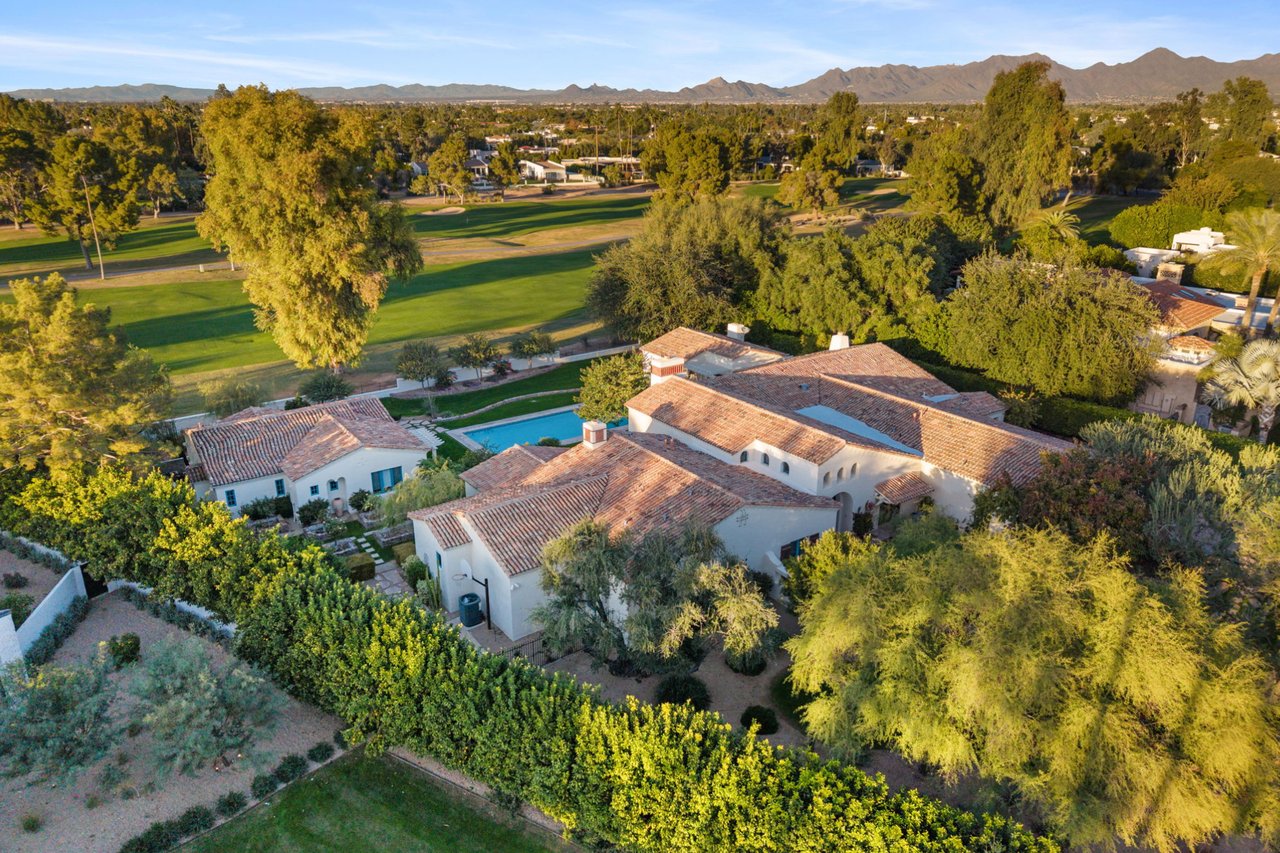
The short version: Arcadia and Paradise Valley are two of the most sought-after addresses in the Valley, but they offer very different versions of luxury. Arcadia is connected, walkable, and full of neighborhood energy under a canopy of citrus trees. Paradise Valley is private, expansive, and quiet—estate living with big mountain views and room to breathe. Neither one is “better.” The right choice comes down to the life you actually want to live day to day.
I get this question constantly: “Heather, should I be looking in Arcadia or Paradise Valley?”
And honestly, it’s one of my favorite questions to talk through—because the answer is rarely about price or square footage. It’s about lifestyle. Both areas are beautiful, both hold their value, and both attract people who appreciate something special. But they are not interchangeable, and the people who thrive in each tend to want very different things from their day.
I’ve spent nearly 30 years working in and around these neighborhoods, but my connection goes back even further. I was raised in the Biltmore area, attended Arcadia High School, and have called both Arcadia and Paradise Valley home at different points over the last three decades. So when I compare the two, I’m not just speaking as a Realtor—I’m speaking as someone who has experienced both lifestyles firsthand.
Let me break it down the way I would over coffee.
Two Very Different Kinds of Luxury
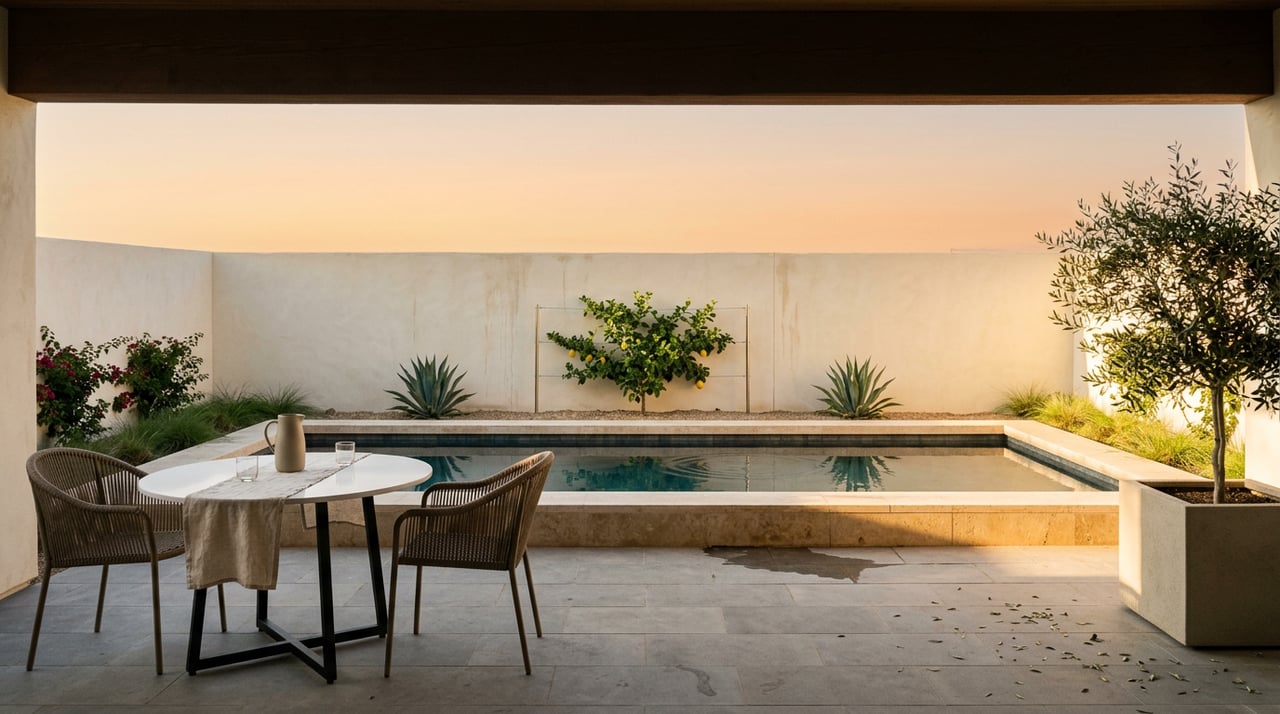
Arcadia evolved into one of Phoenix’s most sought-after neighborhoods over time. It wasn’t created as a luxury master-planned community—it earned that reputation through its mature landscapes, irrigated lots, distinctive homes, and strong sense of community. The result is a neighborhood filled with character, where restored ranch homes sit alongside thoughtful renovations and custom builds. You feel woven into something here.
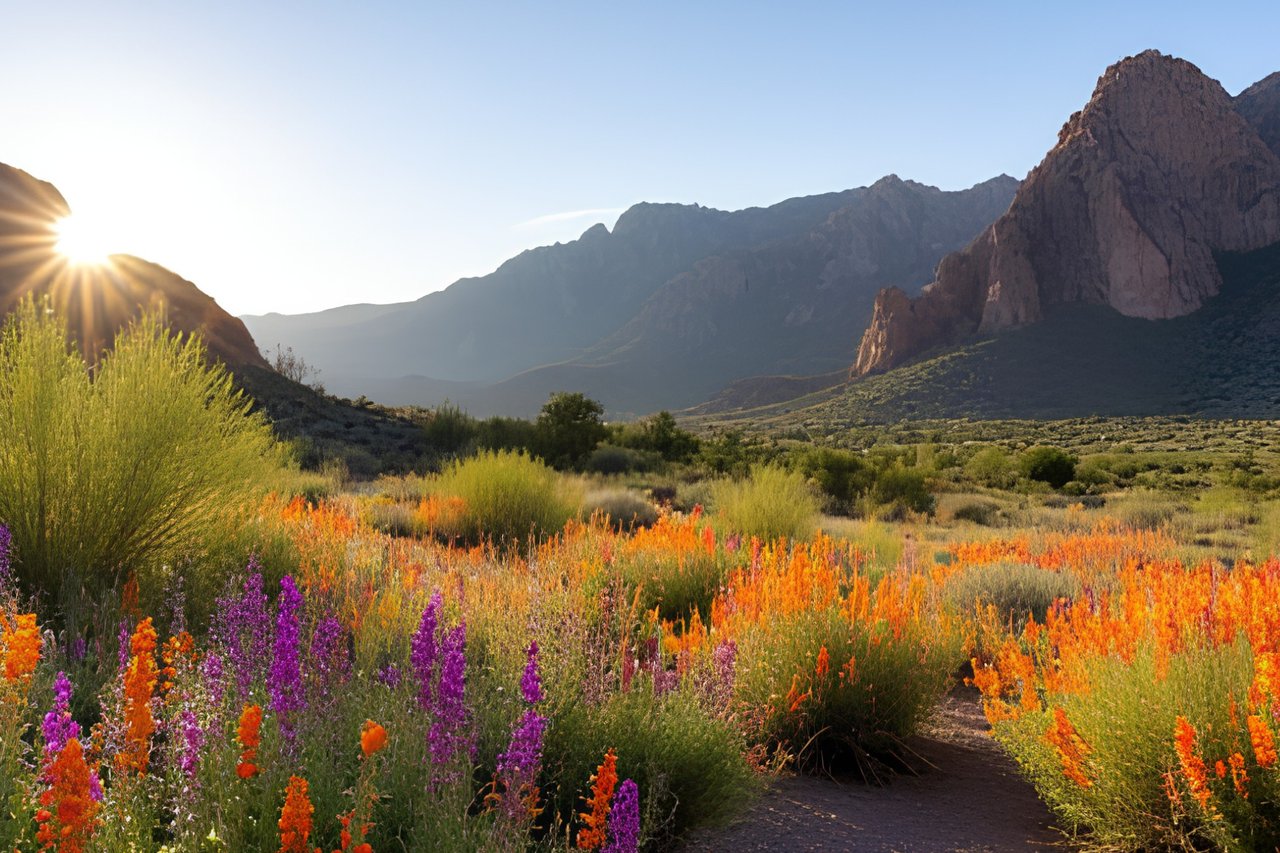
Paradise Valley is a different animal entirely. It’s its own incorporated town—not part of Phoenix or Scottsdale—and it was built around space and privacy from the very beginning. Larger lots. More distance between you and your neighbors. Gated estates. World-class resorts tucked into the foothills. Where Arcadia pulls you toward the center of things, Paradise Valley invites you to retreat from them.
That single distinction—connection versus seclusion—sits at the heart of almost every decision between these two.
Space, Privacy, and the Daily Rhythm
In Paradise Valley, the lots are large—often an acre or more—with real separation from the homes around you. Many properties are gated, and because so much of the town sits in the foothills, mountain views come with the territory. The rhythm is calm and car-oriented: you’ll drive to dinner, but you trade that for quiet evenings, resort amenities, and some of the best hiking in the Valley practically out your door.
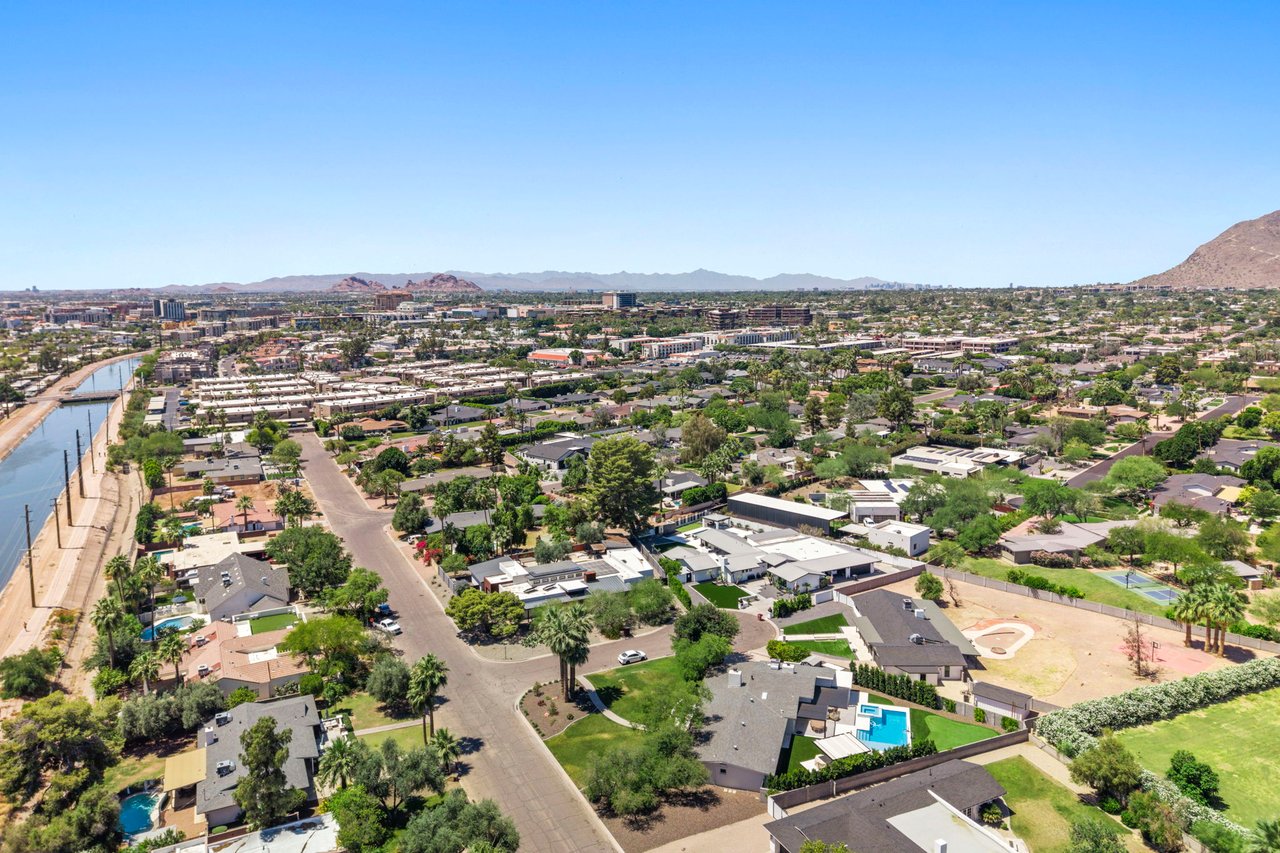
Arcadia has wonderful green lots and mature tree-lined streets too, but it’s a more connected grid. The privacy comes from established landscaping rather than sheer acreage, and the daily rhythm is all about ease. Morning walks along the Arizona Canal, coffee at La Grande Orange, dinner on a patio at Postino or The Henry. You can leave the car in the garage and still have a full, social day.
(If you want a deeper look at everyday life there, I wrote about that in What It’s Actually Like to Live in Arcadia.)
Ask yourself honestly: do you want to walk into your community, or come home away from everything? That answer points you in the right direction faster than any listing.
The Homes Themselves
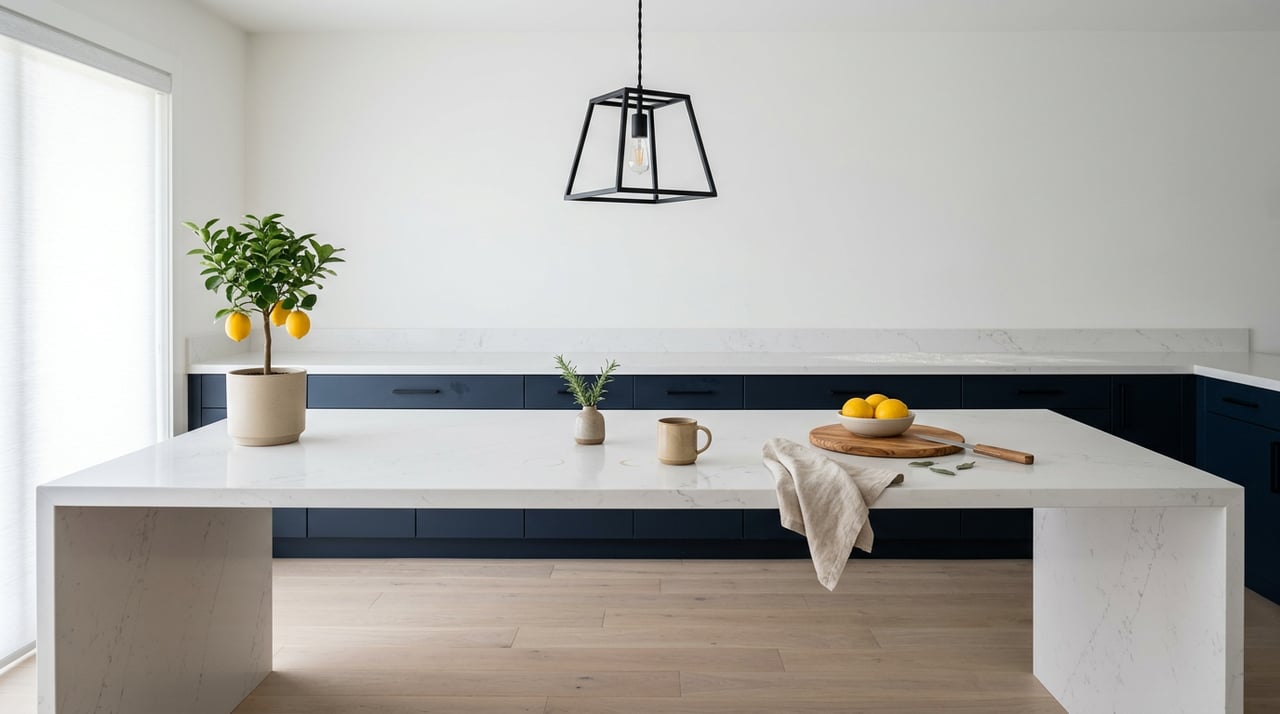
In Arcadia, no two homes are alike. You’ll find classic ranch homes reimagined for indoor-outdoor living, charming originals maintained by the same families for generations, and newer custom homes built to feel timeless. And often, the lot matters just as much as the house itself: the street, the orientation, canal access, even where the afternoon light lands. It’s a true micro-market.
Paradise Valley leans larger and more architectural—substantial custom estates, dramatic hillside builds designed around the views, and a steady stream of new construction. There’s more scale and more land to work with. The same principle still applies, though: the view corridor, elevation, privacy, and positioning of the lot can impact value just as much as the finishes inside.
A Quick Note on Schools
Both areas offer excellent educational options, but school boundaries vary significantly by address. Paradise Valley in particular can fall into different districts depending on exactly where you are. Boundaries can also change over time, so it’s important not to make assumptions.
If schools are part of your decision-making process, verify the assignment for the specific property before you fall in love with it. I’m always happy to help clients navigate that conversation early.
So… Which One Fits You?
Arcadia is probably your fit if you want to feel part of a neighborhood—walkable mornings, restaurants minutes away, and that green, tree-lined character that’s becoming increasingly rare in Phoenix.
Paradise Valley is probably your fit if you want space, privacy, and quiet—room to spread out, mountain views, and an estate-style property that feels like your own private retreat.
Plenty of my clients go back and forth between the two, and that’s completely normal. The goal isn’t to pick the “right” neighborhood in the abstract—it’s to match the place to how you actually want to live.
The Honest Trade-Offs
In Arcadia, you give up some privacy. Well-positioned homes often attract strong competition, renovation quality can vary dramatically from house to house, and certain streets near Camelback Road experience heavier traffic during peak hours.
In Paradise Valley, you give up some walkability and that built-in neighborhood energy. You’ll be more dependent on your car, and larger properties naturally come with more land, landscaping, and home maintenance.
For most people, though, those trade-offs feel small compared to what the right neighborhood gives back.
Why Local Knowledge Really Matters Here
Both Arcadia and Paradise Valley are micro-markets in the truest sense. The street, the pocket, the lot, the views, the orientation, even the way a property sits on the land—all of it matters, and much of it never shows up on a spreadsheet.
That’s the perspective I try to bring. I was raised in the Biltmore neighborhood, attended Arcadia High School, and have lived in both Arcadia and Paradise Valley over the years. Combined with nearly three decades helping clients buy and sell throughout these communities—and serving as founder and director of the Arcadia Camelback Home Tour since 2001—I’ve had a front-row seat to how these neighborhoods evolve, street by street and block by block.
So if you’re weighing Arcadia against Paradise Valley—or simply trying to understand where you’d truly feel most at home—I’d love to talk it through.
— Heather
Thinking about a move in Arcadia or Paradise Valley? I often hear about properties before they officially hit the market, and I’m always happy to share where I see the strongest long-term value and opportunities in each neighborhood.