If you have looked at more than a few homes in Arcadia, you have probably noticed something right away: two properties with similar square footage can feel completely different the moment you pull up. In this neighborhood, the lot, the view line, and the way a home sits on the street often shape value just as much as the kitchen or primary suite. If you want to buy well in Arcadia, it helps to know what to study before you fall for the finishes. Let’s dive in.
Why Arcadia lots deserve a closer look
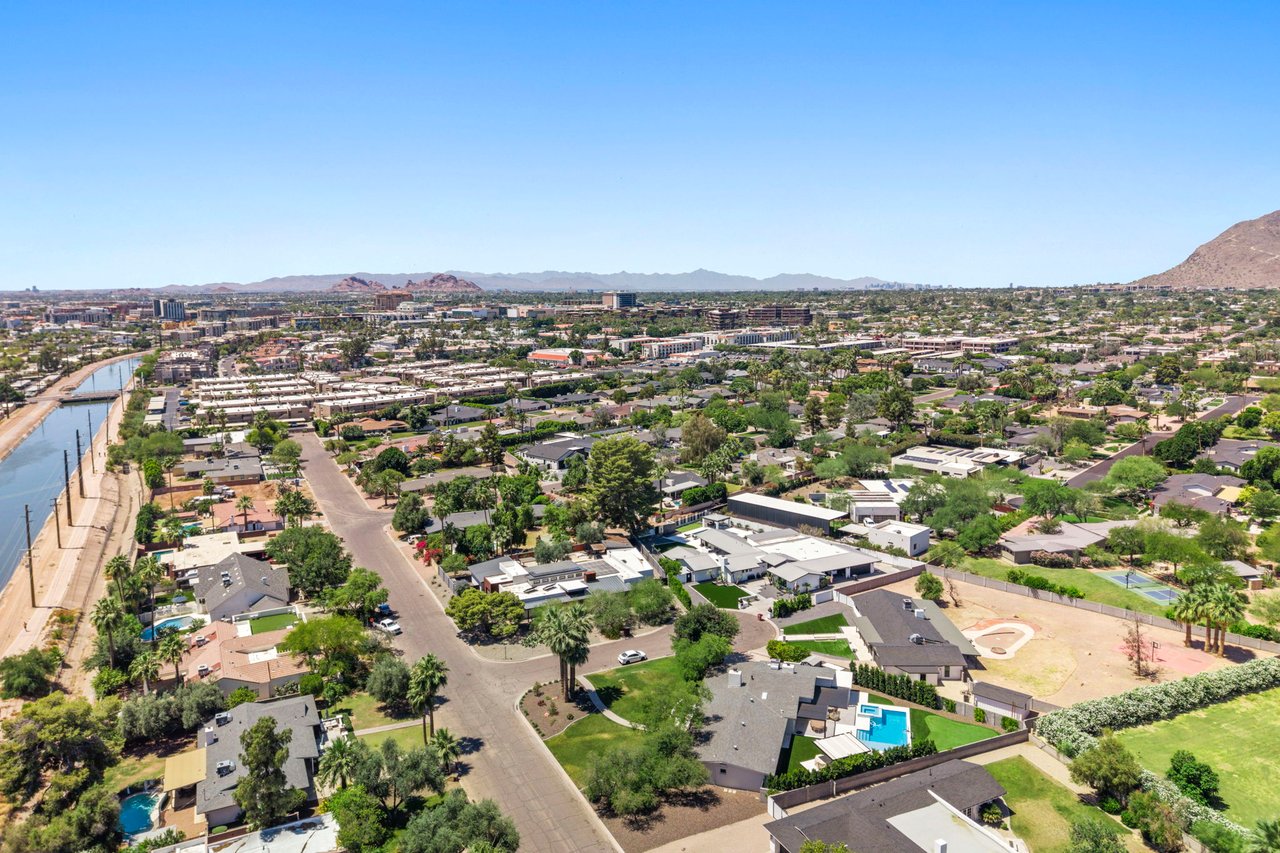
Arcadia is not a separate city. It is a Phoenix neighborhood, and the City of Phoenix historic survey describes it as the area north of the Arizona Canal and south of Camelback Mountain between 44th Street and Scottsdale Road.
That history matters because Arcadia began as a rural-estate subdivision, not a standard tract neighborhood. The original 1919 plat and later replats were marketed around large estate-style homesites, with early lots around 5 to 10 acres and many later lots still in the 4 to 10 acre range.
You can still feel that legacy today. Even when parcels have changed over time, Arcadia often reads as a large-lot neighborhood with higher expectations for spacing, yard use, and presentation.
The neighborhood also includes a mix of homes from 1919 through the 1930s, along with remodels and full rebuilds from later decades. On many streets, that means the lot setting can matter just as much as the interior condition.
Compare usable outdoor space
When you tour homes in Arcadia, it helps to look beyond the listed lot size. A bigger number on paper does not always mean the property lives better day to day.
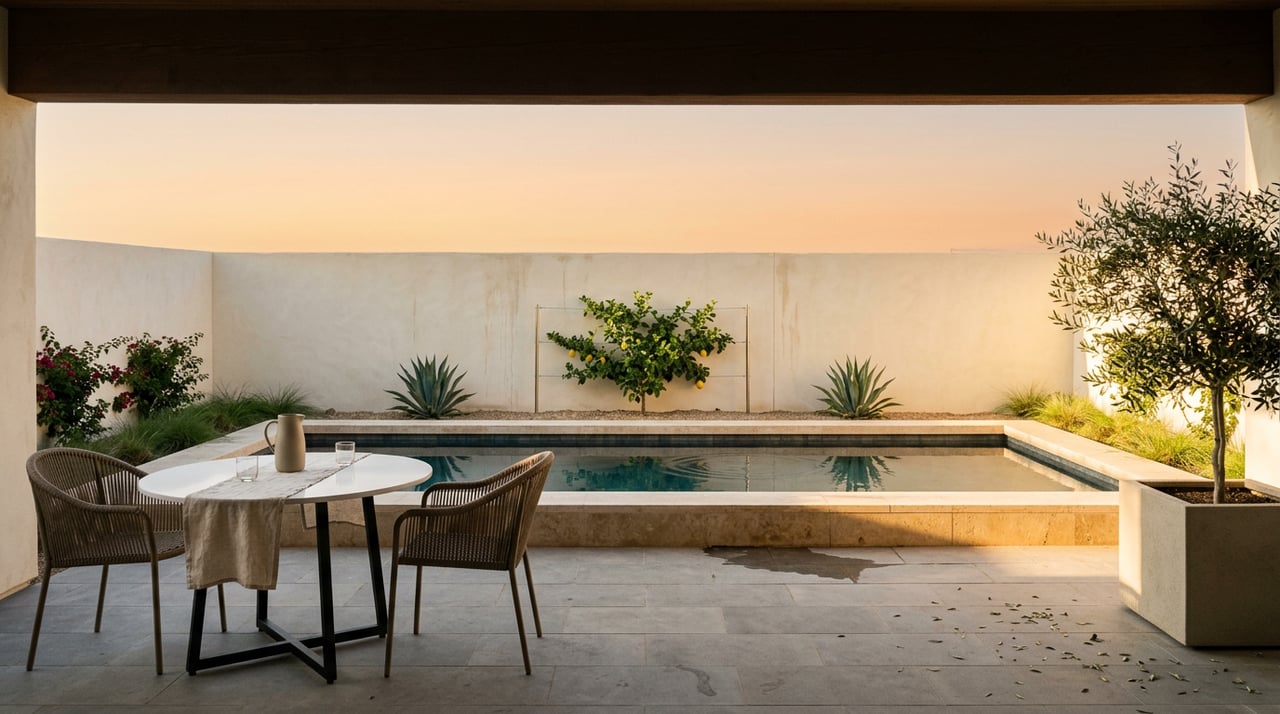
Instead, compare how the outdoor space actually functions. Pay attention to yard depth, side access, pool placement, privacy, and whether the site feels open or compressed.
Topography can also change the experience of a property. The City of Phoenix notes that Arcadia Estates lots were designed to conform to hilly land, so the way a yard slopes or terraces may affect how much of it feels truly usable.
Arcadia’s citrus-orchard roots are part of this story too. The historic survey says the neighborhood was promoted around agricultural potential and that an underground irrigation system was laid in the 1920s, which helps explain the area’s long-standing focus on landscaping and yard orientation.
What to notice on a showing
As you walk a property, ask yourself:
- How much of the backyard feels easy to use?
- Is there meaningful side-yard access?
- Does the pool placement leave room for lawn, patio, or play space?
- Do the outdoor areas feel private?
- Does the house sit comfortably on the lot, or does it crowd the site?
These details can shape daily livability more than the raw parcel size alone.
Verify the parcel, not just the marketing
Arcadia has more lot variation than a typical Phoenix subdivision. That is one reason parcel-by-parcel verification matters here.
The City of Phoenix says typical single-family lots in the city are about 6,000 to 8,000 square feet. Arcadia often falls outside that feel, so buyers should confirm the official lot size, parcel dimensions, and structure dimensions for the specific address.
Phoenix directs buyers to My Community Map and the Maricopa County Assessor for that verification. Before you get attached to a renovation idea or expansion plan, it is smart to confirm what the official record shows.
Check zoning before planning changes
Phoenix says common single-family zoning districts include R1-6 and R1-10, but the actual rules depend on the parcel. That means two homes that appear similar from the street may not have the same zoning details or lot coverage limits.
If you are thinking about adding on, reworking the footprint, or making major exterior changes later, confirm the zoning district and any applicable review rules early. In Arcadia, assumptions can get expensive.
Views in Arcadia are not all equal
Camelback Mountain is one of Arcadia’s biggest visual anchors. The City of Phoenix describes it as one of the nation’s top hiking destinations, notes the summit at 2,704 feet above sea level, and highlights its exceptional Valley views.
For buyers, though, the key question is not just whether you can see Camelback today. It is whether the sightline feels durable.
A home can be close to Camelback Mountain and still have a view that is partial, narrow, or easy to interrupt. Rooflines, additions, and mature trees can all affect what you see from the backyard, the main living areas, or even from inside the primary suite.
Look for a durable view corridor
When a listing mentions views, check them from several positions:
- The street approach
- The front yard
- The backyard and pool area
- Main living spaces
- Upper-level rooms, if any
A durable view corridor usually feels intentional and repeatable from more than one spot. A temporary sightline may be appealing in photos but less meaningful in daily life.
Trail access is a lifestyle factor
For some buyers, being near Camelback is about more than scenery. It is also about outdoor access and the daily rhythm that comes with living nearby.
The City of Phoenix says Camelback trailheads operate from sunrise to sunset. The city also notes that parking is limited, illegally parked vehicles may be ticketed or towed, and dogs are prohibited on all trails year-round.
That does not make proximity better or worse by itself. It just means you should weigh how trail access fits your lifestyle and how nearby activity may affect the feel of a specific block.
Street appeal matters more here
In Arcadia, curb appeal is rarely just cosmetic. It often reflects how well a house fits the lot and how thoughtfully the front elevation relates to the street.
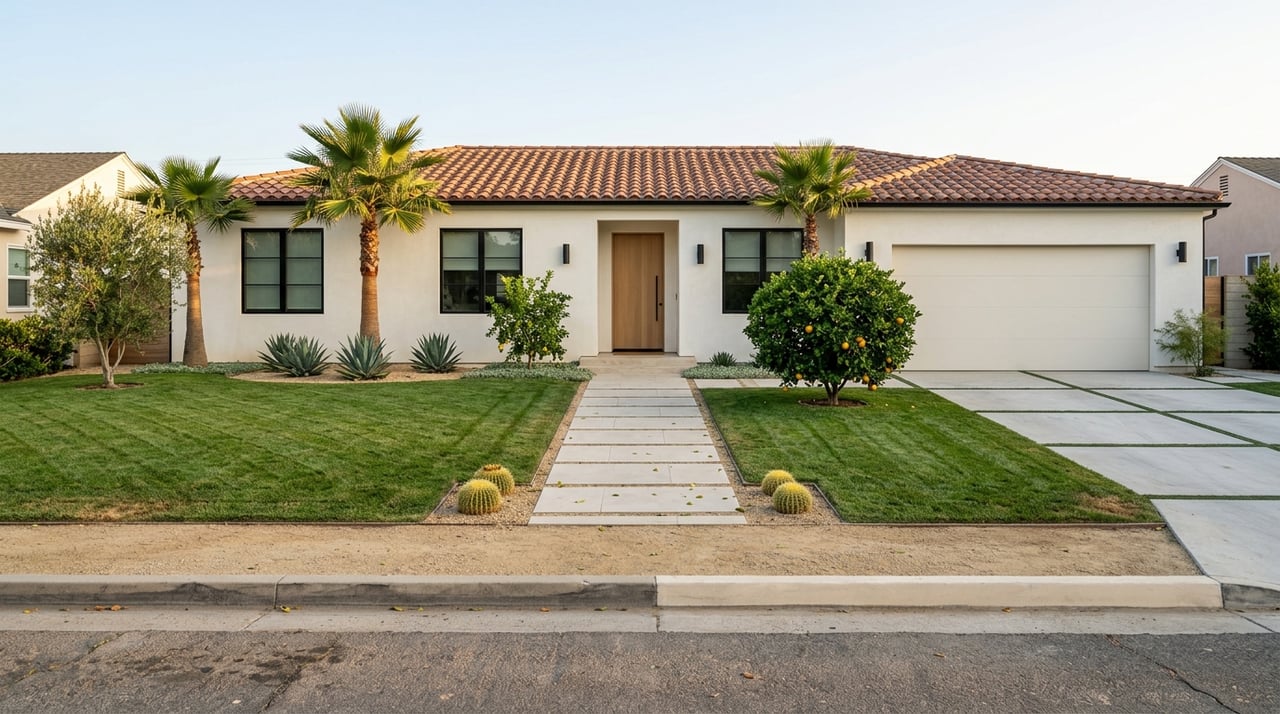
Phoenix’s Single-Family Design Review is intended to minimize garage exposure and promote clear identification of the main entrance. In practical terms, that makes garage placement, front-yard depth, entry prominence, and fence or hedge lines especially important when you compare homes in Arcadia.
A beautifully renovated interior may not fully overcome a frontage that feels garage-heavy or visually compressed. In a neighborhood with estate-lot roots, buyers often respond to homes that feel balanced from the street.
Use this Arcadia street-appeal checklist
As you tour, look for:
- Garage visibility from the street
- Front-door emphasis
- Roof massing and overall scale
- Shade trees and landscape framing
- Driveway width
- Whether the home balances the lot instead of filling it edge to edge
These details can influence first impressions and long-term appeal more than many buyers expect.
Narrower parcels need extra attention
The City of Phoenix flags lots under 65 feet wide for additional design-review materials. Infill parcels can still work well, but frontage becomes even more important when width is limited.
If you are considering a narrower lot in Arcadia, pay close attention to how the house uses the front elevation. You want to see whether the design creates a strong entry presence and a comfortable relationship to the street.
This is one of those moments where photos can hide the truth. An in-person look often reveals whether the home feels elegant and well-composed or simply tight on the site.
Remodel quality is only part of the story
Arcadia includes original houses, updated homes, and complete rebuilds on the same streets. Because of that, buyers should treat finishes as only one part of the value equation.
Ask what was preserved, what was changed, and how the renovation affects the home’s setting and curb appeal. A high-end remodel inside does not always improve the way a property lives outdoors or presents from the street.
In many Arcadia purchases, one of the smartest questions is this: How much of the value is in the lot versus the interior remodel? In this neighborhood, the answer often carries more weight than it would in a more conventional subdivision.
Due diligence questions to ask before you buy
Arcadia rewards buyers who look carefully and verify early. Before you move forward, ask these questions for the specific property:
- What is the official lot size?
- What do the parcel dimensions show in the Maricopa County Assessor record?
- What zoning district applies at this address?
- Are there parcel-specific review rules or overlays?
- Are there historic considerations to check with the City of Phoenix Historic Preservation Office?
- How much of the home’s appeal comes from the lot, the view, and the street presence versus recent finishes?
These are not small details in Arcadia. They are often the details that separate a good purchase from a great one.
Buy Arcadia with a sharper eye
In Arcadia, a home is never just the house. You are also buying the lot shape, the outdoor livability, the relationship to Camelback, and the way the property meets the street.
That is why careful buyers tend to slow down here and compare what is hard to change, not just what looks fresh in listing photos. When you evaluate lot function, view durability, and street appeal together, you make a more confident decision.
If you want a local perspective on how a specific Arcadia property really compares, Heather MacLean offers the kind of neighborhood-first guidance that can help you see past the staging and focus on lasting value.
FAQs
What makes Arcadia lots different from typical Phoenix lots?
- Arcadia developed as a rural-estate subdivision, and the City of Phoenix historic survey notes early homesites were much larger than the typical Phoenix single-family lot, which helps explain the neighborhood’s emphasis on spacing, yard use, and presentation.
How should you evaluate views when buying a home in Arcadia?
- Look for a durable view corridor rather than a single sightline, and check the view from the street, backyard, and interior living spaces because rooflines, additions, and mature trees can affect what you actually keep over time.
Why does street appeal matter so much for Arcadia homes?
- Street appeal often reflects how well the house fits the lot, and Phoenix design-review goals place importance on minimizing garage exposure and making the main entrance easy to identify.
What zoning details should you verify before buying a home in Arcadia?
- You should verify the parcel’s zoning district, lot size, structure dimensions, and any applicable review rules through Phoenix mapping tools and Maricopa County Assessor records before making plans for additions or major changes.
Are older homes in Arcadia subject to historic considerations?
- Some properties may have historic considerations, and the City of Phoenix recommends contacting the Historic Preservation Office for current eligibility questions because older survey information may be outdated.
How can you tell whether Arcadia value is in the lot or the remodel?
- Compare the outdoor livability, view potential, parcel setting, and street presence along with the interior updates, because in Arcadia those land-related factors can carry as much weight as finishes.