Thinking about a low‑maintenance home near Camelback Mountain that still puts you close to great dining, retail, and outdoor time? If you want convenience without the upkeep of a large yard, the Camelback Corridor deserves a close look. You’ll find a wide range of condos and townhomes here, from efficient lock‑and‑leave units to luxury buildings with full services. In this guide, you’ll learn how the corridor is defined locally, the product types and amenities you can expect, realistic price bands, and the key HOA and financing checks to make before you buy. Let’s dive in.
What locals mean by “Camelback Corridor”
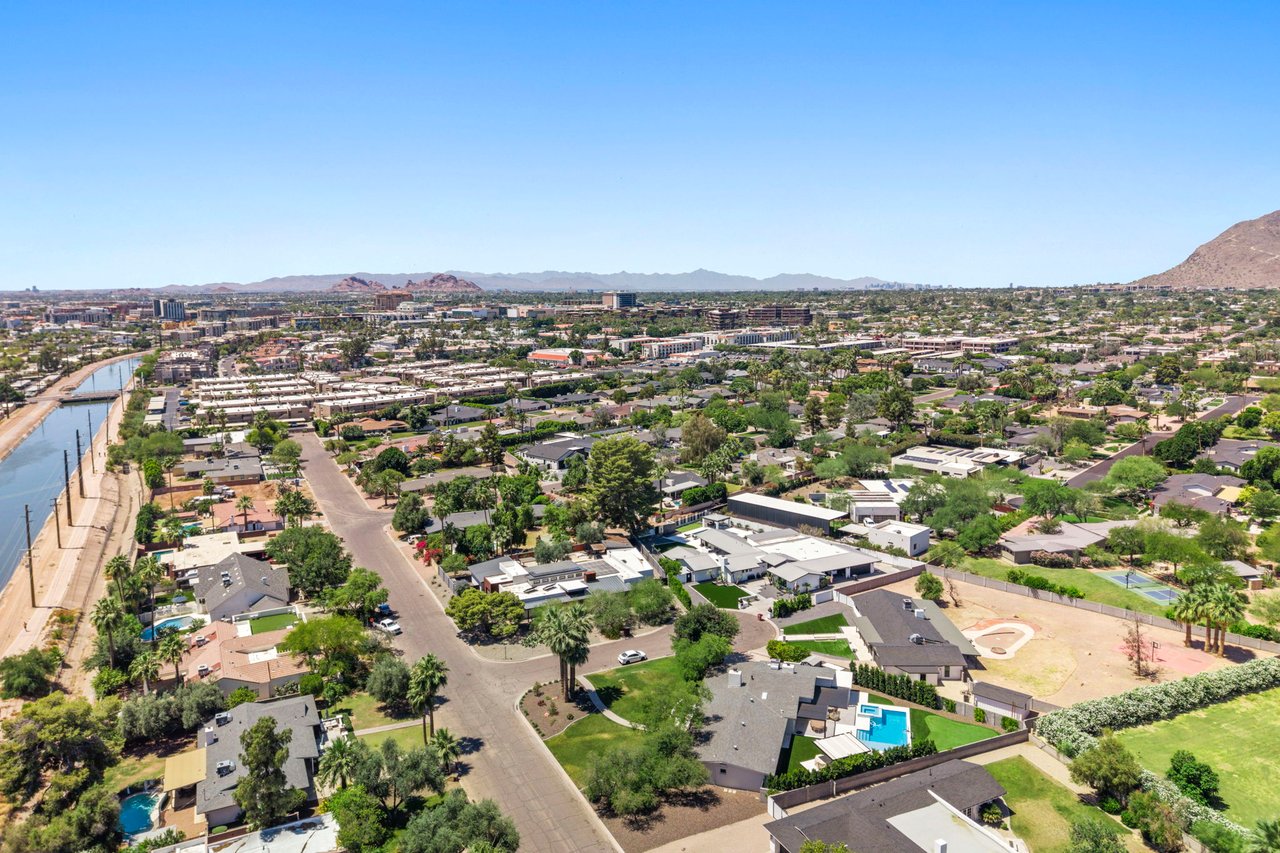
Locals use the Camelback Corridor to describe the desirable stretch along and near Camelback Road and Camelback Mountain. It runs from the Biltmore area west of 24th Street through Camelback East and Arcadia toward the 64th–68th Street corridor. There is no official map. Think of it as a central Phoenix and Scottsdale‑adjacent zone with strong lifestyle draws, quick access to retail and restaurants, and proximity to canal paths and trailheads.
Who condo and townhome living suits
- Downsizers and part‑time residents who want a secure, easy base with exterior maintenance handled.
- Busy professionals who value secure parking, on‑site fitness, and a short hop to employment and retail corridors.
- Buyers seeking a Phoenix home with quick access to Camelback Mountain, the canal, and Biltmore‑area shopping.
Your product options at a glance
High‑rise condos
High‑rise buildings in the Biltmore corridor and nearby towers prioritize service and convenience. Expect concierge or on‑site staff, rooftop or resort‑style pools, fitness centers, elevator access, gated garage parking, and private storage. Monthly HOA dues are higher because they cover building systems and staffing. Recent examples in the area show two‑bedroom units often listed in the mid‑$500,000s to $700,000s, with full amenity stacks and turnkey security.
Mid‑ and low‑rise condos
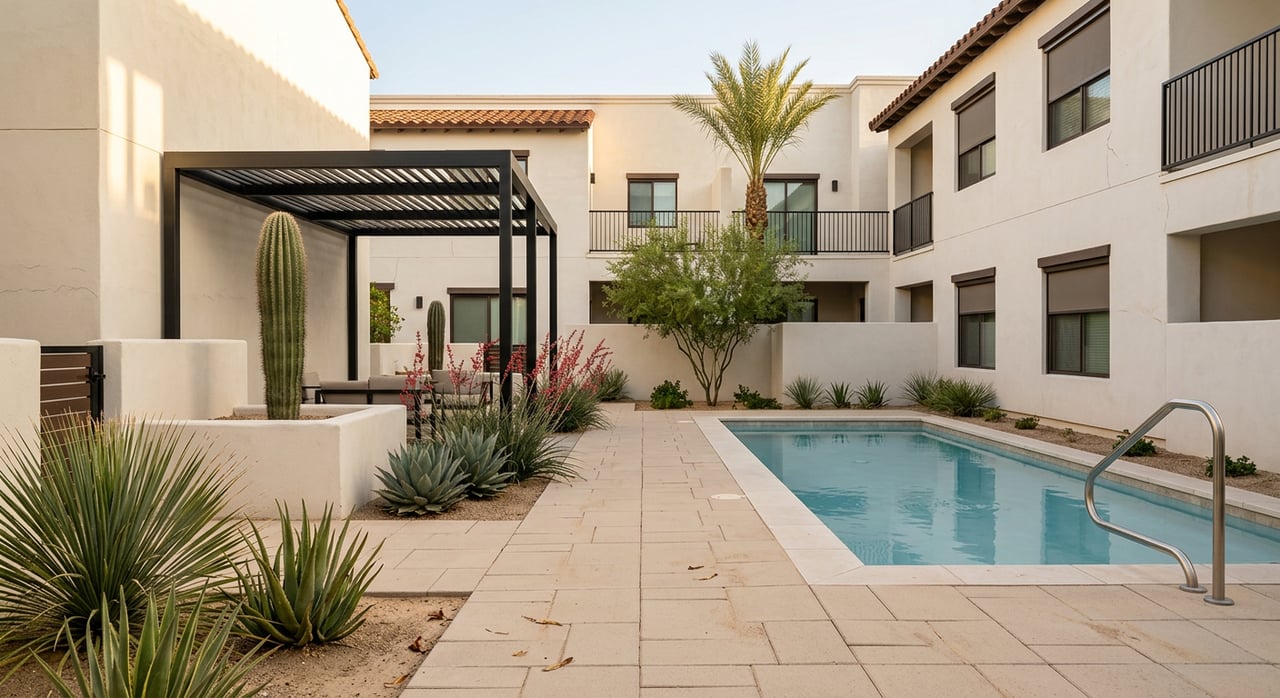
Many 1960s–1980s courtyard communities and smaller mid‑rise buildings sit across Camelback East and Arcadia Lite. They usually have lower monthly dues and simpler amenity sets, like a community pool, a small gym, and gated entries. These are popular entry points for lock‑and‑leave living. Recent corridor examples have traded from the mid‑$200,000s to the low‑$330,000s depending on size, updates, and location.
Townhomes and gated infill projects
Newer or recently built townhome communities add private entries, 2 to 3 levels of living, attached garages, and small private outdoor spaces. Pricing typically lands above older condos but below many single‑family homes nearby. These are great if you want some privacy and storage without the upkeep of a full yard.
Luxury and estate‑level condos
At the top end, you’ll see luxury and penthouse units tied to resort‑style communities in the Biltmore and Scottsdale‑adjacent pockets. These bring hotel‑quality amenities, larger floor plans, and prices that can reach into seven figures.
What your budget buys
Pricing always depends on the building, size, finish level, and exact micro‑location. Here’s a realistic snapshot based on recent corridor activity:
- Entry level, older low‑rise condos: about $240,000 to $350,000. You’ll find courtyard communities and canal‑adjacent low‑rises that emphasize lock‑and‑leave living.
- Mid‑range, remodeled condos and townhomes: about $350,000 to $800,000. This includes updated Biltmore‑area condos, larger townhomes with garages, and amenity‑rich mid‑ or high‑rise two‑bedroom units that often list in the high‑$500,000s to mid‑$600,000s.
- Premium and luxury condos: $1 million and up. Inventory is thinner, but the service level and finishes match the premium single‑family context around Arcadia and the Biltmore.
Tip: When you compare medians, separate condo/townhome data from single‑family numbers. Arcadia single‑family homes often sit well above Phoenix‑wide medians and do not reflect condo pricing.
Amenity sets you’ll actually use
Core amenities
Most buildings include one or more of the following:
- Pool and spa
- Fitness room
- Secure or assigned parking (surface, carport, or underground)
- Private storage lockers
- Gated or controlled access
- Landscaped courtyards or rooftop decks
High‑rise buildings add elevator service, on‑site staff, and higher reserve needs, which is why monthly dues are typically higher than low‑rise communities.
What HOA dues usually cover
Coverage varies by community. Low‑rise buildings often include exterior maintenance, common‑area landscaping, and pool care. Some communities also include water and trash. High‑rise dues may include building insurance, elevator maintenance, on‑site staff, and more comprehensive exterior coverage. Always ask for a clear list of inclusions before you compare dues across properties.
Smart comparison tips
- Compare total monthly cost, not just dues. Add principal, interest, taxes, insurance, HOA dues, and utilities.
- Check parking. Confirm the number of spaces, whether they are deeded or assigned, and any guest‑parking rules.
- Storage matters. Ask about lockers or cage storage, especially in high‑rises.
- Review access and staffing. Evaluate security protocols and staff coverage if you plan to lock and leave for weeks at a time.
Financing and project eligibility
Most corridor condos and townhomes are financeable with conventional loans. That said, agency‑backed loans have project‑level eligibility standards. If a condominium project is non‑warrantable, you may still finance through portfolio or jumbo programs, but terms can be tighter. If you expect to use FHA or VA, confirm the building’s status early. For a deeper look at how lenders review condo projects, see this overview of the condo project review process from a mortgage specialist: how Fannie Mae reviews condo projects.
Practical steps:
- Ask your lender to check the project’s eligibility before you write an offer.
- If using FHA or VA, confirm building approval and any expired certifications.
- If a building is non‑warrantable, get quotes from lenders that offer portfolio options and compare rates and reserves.
HOA and legal basics to know
The HOA’s governing documents control the rules, from pets to rentals. They also outline maintenance responsibilities and any fees due on resale. In Arizona, HOAs have statutory lien and collection rights for unpaid assessments, which is why you should understand the association’s finances and delinquency exposure. For legal context on HOA powers in the state, see this Arizona resource on real estate and HOA issues: Arizona HOA and real estate issues.
Quick buyer due‑diligence checklist
Use this list to protect your purchase and avoid surprises:
Request the HOA resale packet early. Ask for CC&Rs, bylaws, rules, recent meeting minutes, the operating budget, balance sheet, reserve schedule, and the master insurance declarations.
Confirm what the monthly fee includes. Water, sewer, trash, cable, internet, and HVAC components vary by building. Make an apples‑to‑apples comparison across options.
Verify rental and short‑term policies. If you plan part‑time use or occasional rentals, review the CC&Rs and any board policies. Confirm minimum lease terms, guest rules, and on‑site management requirements.
Check project eligibility with your lender. If you plan conventional, FHA, or VA, confirm approval before you open escrow. For context on condo eligibility, review this lender guide to condo project standards.
Inspect common areas and capital plans. Ask about roofs, exterior paint cycles, elevator modernizations, pool equipment, and any planned special assessments. Request the most recent reserve study or capital plan so you understand upcoming projects.
Align insurance coverage. The HOA’s master policy typically covers the exterior and common areas. You will likely carry an HO‑6 policy for interior finishes, contents, and personal liability. Ask about the master policy deductible and whether the HOA can assess owners for losses.
Micro‑areas within the corridor
Biltmore and Fashion Park area
This is a hub for higher‑density luxury condos and resort‑style communities with easy access to retail and dining. If you want services, structured parking, and a short stroll to daily conveniences, start here. You’ll find both mid‑range two‑bedroom options and premium residences.
Camelback East and canal‑adjacent pockets
Closer to the canal and east of the Biltmore core, you’ll see older low‑rise communities that provide strong value. These are often the most affordable lock‑and‑leave options in the corridor, with straightforward amenities and lower dues.
Arcadia and Arcadia Lite
Primarily known for single‑family homes on larger lots, Arcadia also includes pockets of low‑rise condos and townhomes. The single‑family market trades at a premium versus Phoenix‑wide medians, so use condo‑specific comps when you price and negotiate.
Edge of Scottsdale and Camelback Ridge
This Scottsdale‑adjacent area blends corridor convenience with newer luxury launches and contemporary condo inventory. Expect modern finishes, garage parking, and higher pricing where services and finishes climb.
Matching product to your lifestyle
- Downsizers and frequent travelers: Consider low‑ to mid‑rise condos near the canal or Biltmore with secure access and exterior maintenance included. Look for buildings with on‑site management if you will be away frequently.
- Busy professionals: Shortlist high‑rise towers and newer gated townhomes that prioritize secure parking, fitness, and easy commutes. Two‑bedroom mid‑ to high‑rise units often deliver the best balance of space and services.
- Part‑time or second‑home buyers: Focus on guard‑gated or amenity‑rich buildings with strong on‑site management. Confirm rental flexibility and guest policies in the CC&Rs.
How Heather helps you buy with confidence
You deserve clear guidance through a complex set of choices. With deep, long‑standing roots in the Camelback Corridor, we help you pinpoint the right micro‑area, compare buildings, and analyze HOA health so you can buy with confidence. We also coordinate trusted lenders for condo eligibility checks, navigate off‑market options when privacy or scarcity is a factor, and arrange leasing or property‑management coordination for out‑of‑area owners.
Ready to explore corridor condos and townhomes with a local advantage? Schedule a private consultation with Heather MacLean to chart your next step.
FAQs
What is the Camelback Corridor in Phoenix?
- It is a locally used term for the desirable stretch along and near Camelback Road and Camelback Mountain, from the Biltmore area through Camelback East and Arcadia toward 64th–68th Street.
How much do condos cost in the Camelback Corridor?
- Entry‑level older low‑rises often range from about $240,000 to $350,000, mid‑range options from about $350,000 to $800,000, and premium condos from $1 million and up.
Are HOA fees high in corridor high‑rises?
- High‑rises typically have higher dues because they include building systems, elevators, on‑site staff, and master insurance; always compare what each HOA covers before judging the fee.
Can I use FHA or VA financing for a condo here?
- Yes, if the project is approved; many buildings qualify for conventional financing, but you should confirm FHA or VA approval early since condo eligibility is building specific.
What should I review in the HOA before I buy?
- Request the resale packet with CC&Rs, budget, minutes, reserves, insurance, and any planned assessments, and assess the association’s financial strength and maintenance plans.